Golf Cart Lithium Battery Manufacturer
Robur manufactures lithium golf cart batteries for fleets, rental operators and cart OEMs. Choose a battery configuration, then work with our team on power, fit and charging requirements.

36V, 48V & 72V
Golf Cart Batteries.
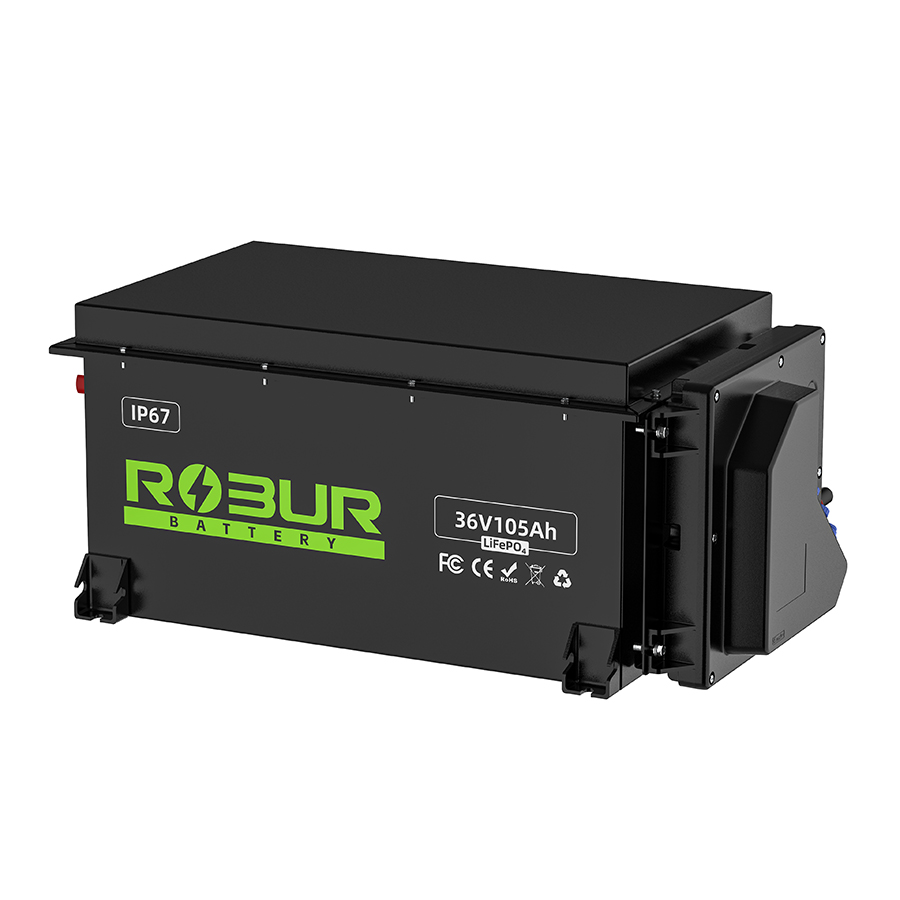
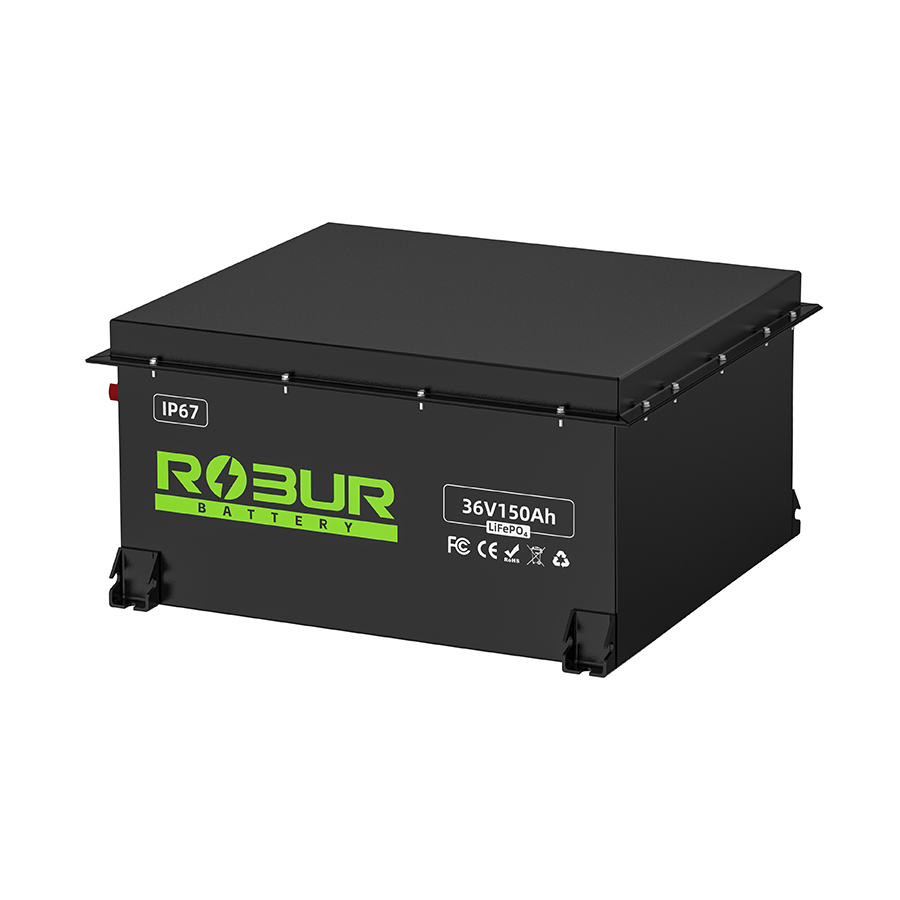
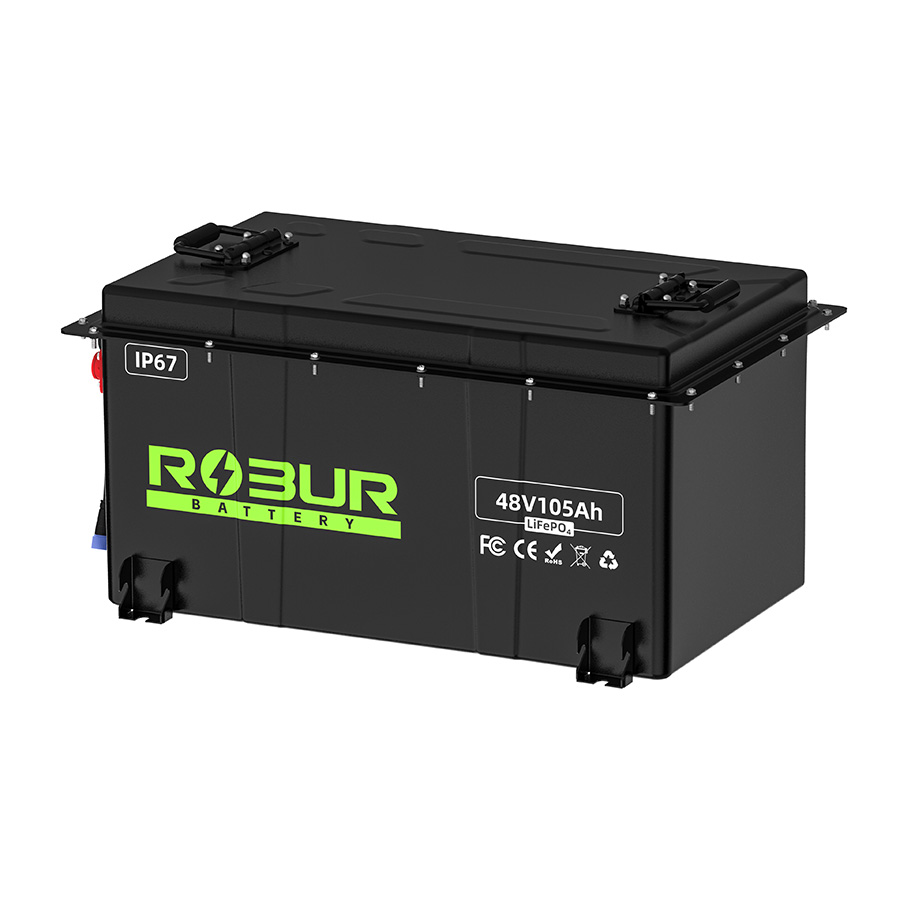
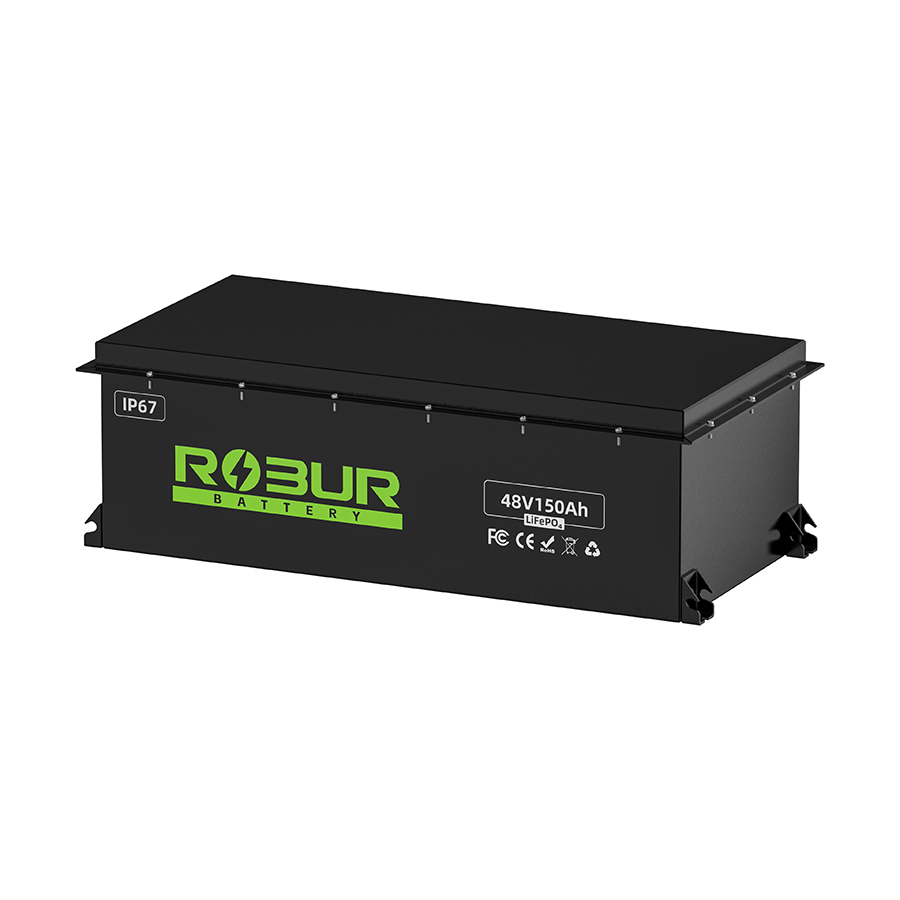
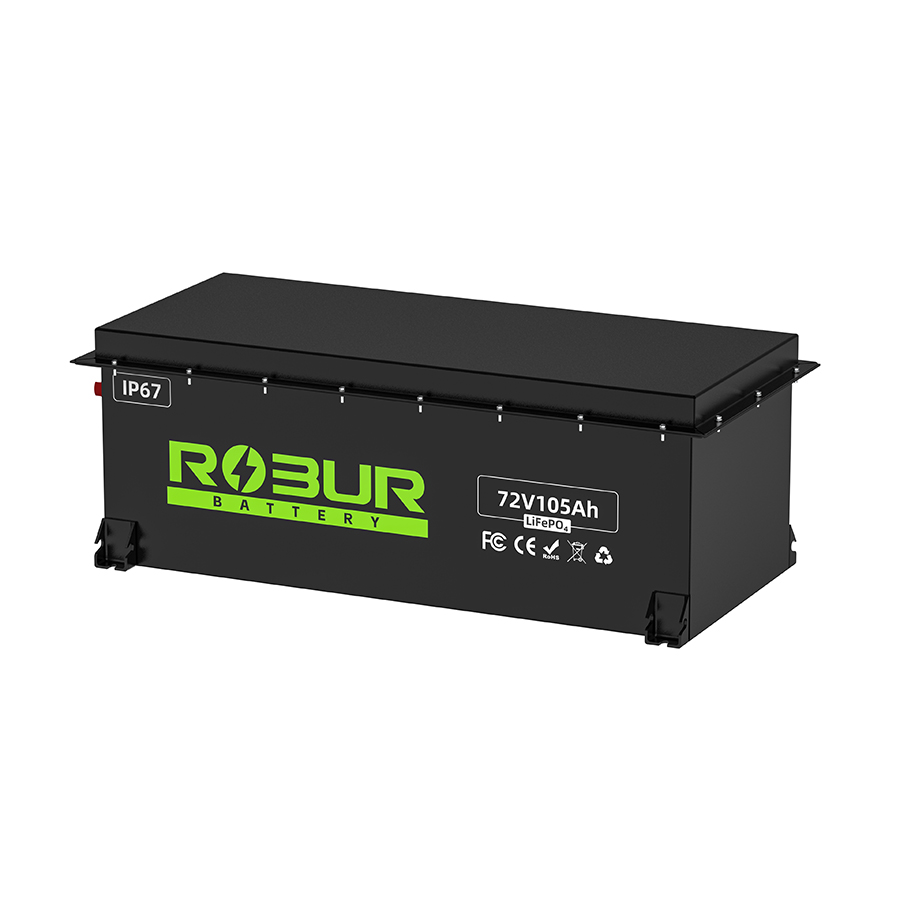
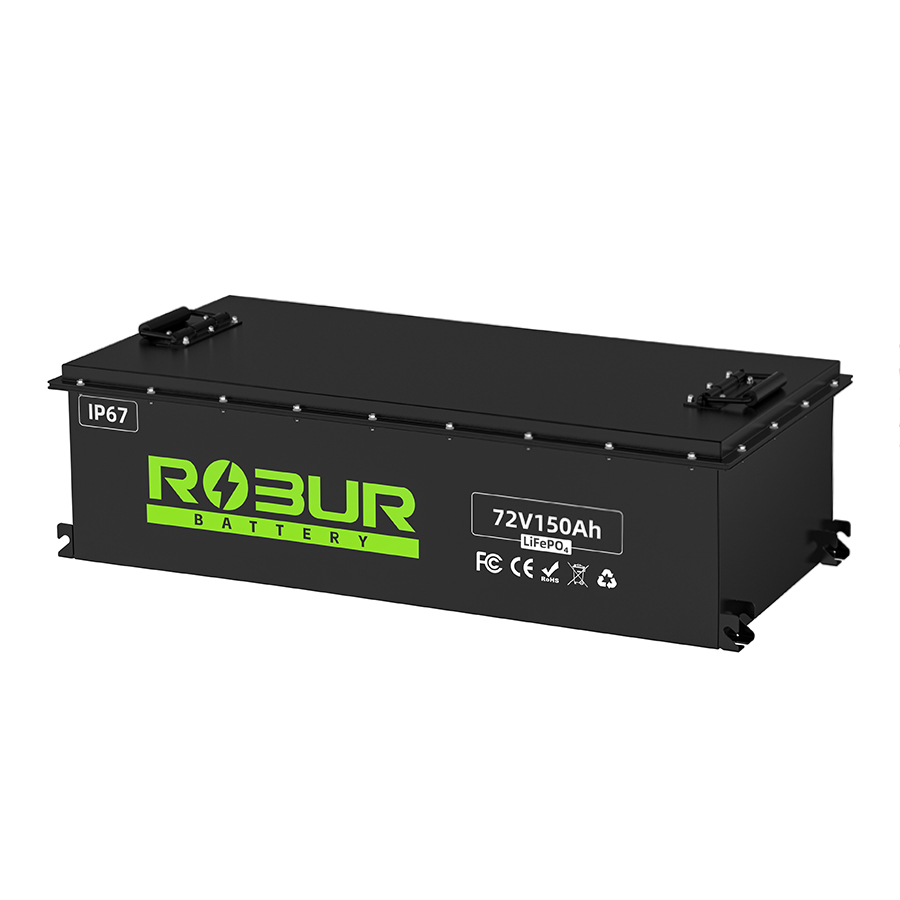
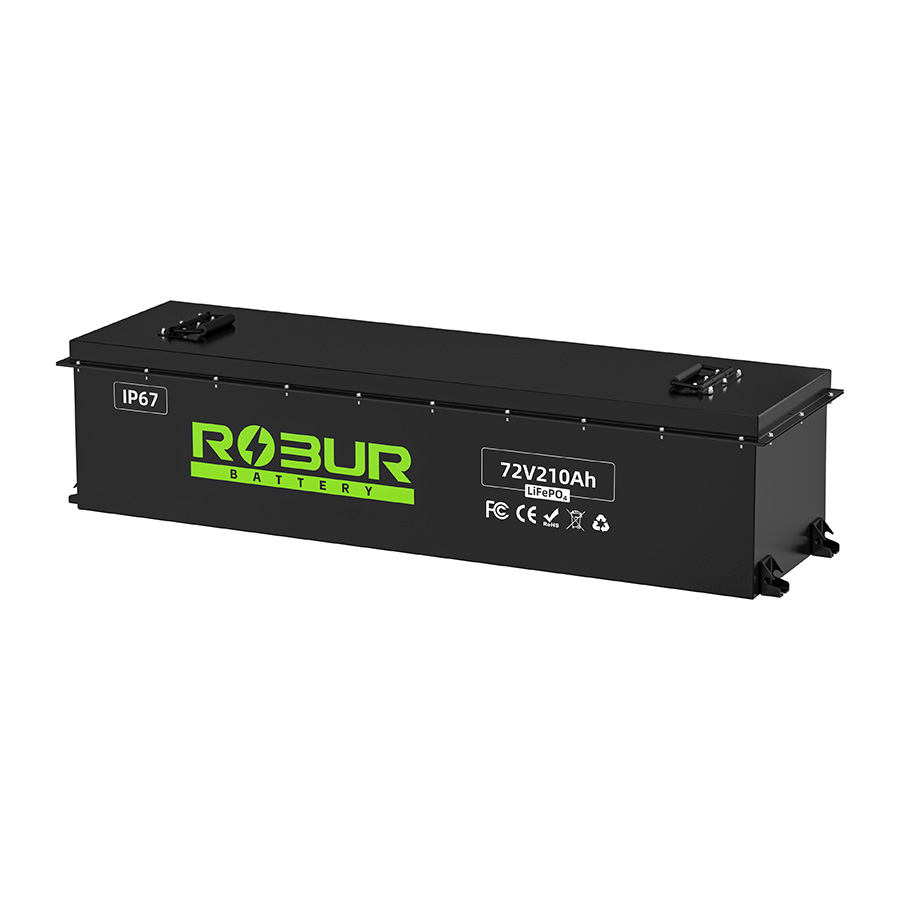
Compare lithium golf cart battery configurations for your system voltage. Review capacity, installation space, controller requirements and charger compatibility with our team before selecting a model.
Need a custom golf cart battery?
Specify the voltage, capacity, enclosure and interfaces your cart needs. Discuss a custom lithium battery configuration for your fleet or OEM project.
36 V, 48 V and 72 V identify system families. Confirm nominal voltage, usable energy, dimensions, current limits and charger compatibility in the model-specific specification before ordering. Product markings apply to the illustrated unit; request the relevant test and compliance documents.
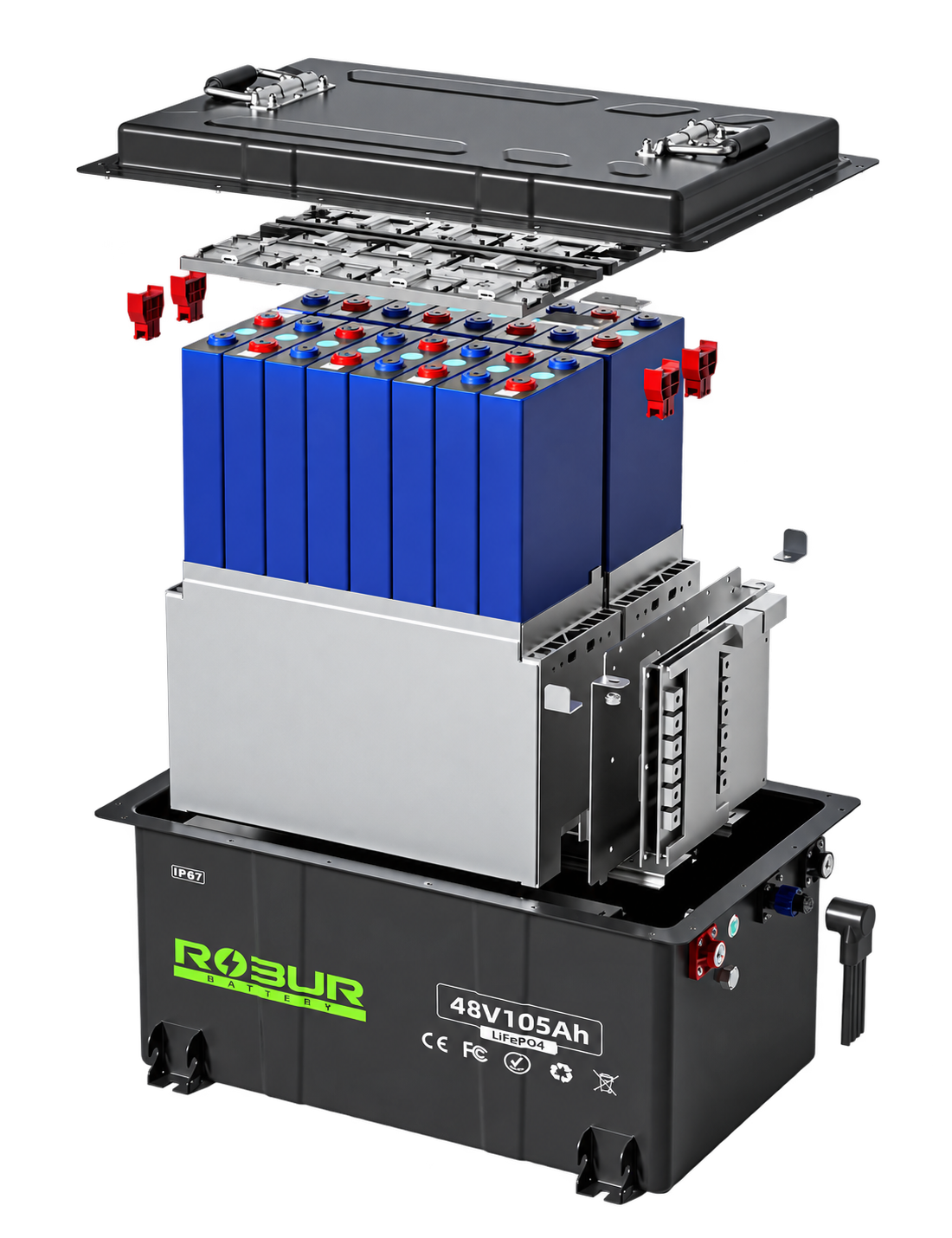
New Power Begins with Safety. Robur Never Rests.
Five design elements connect cell, module and pack protection in Robur’s lithium golf cart batteries. Explore the structure, thermal design and BMS protection for your application.
- 01
Dual-Layer Flame-Retardant & Thermal Insulation Film
Flame-retardant and thermal insulation layers within the module design.
- 02
Full-Metal Protective Enclosure
A protective housing around the battery assembly.
- 03
Automotive-Grade Battery Module Architecture
An aluminum frame and compression structure to support the cells.
- 04
Thermally Conductive Structural Adhesive
Structural adhesive as part of the pack’s thermal design.
- 05
Intelligent BMS with Multi-Level Protection
Battery monitoring and protection settings matched to the golf cart power system.
High-performance LiFePO₄ Golf Cart Battery Modules
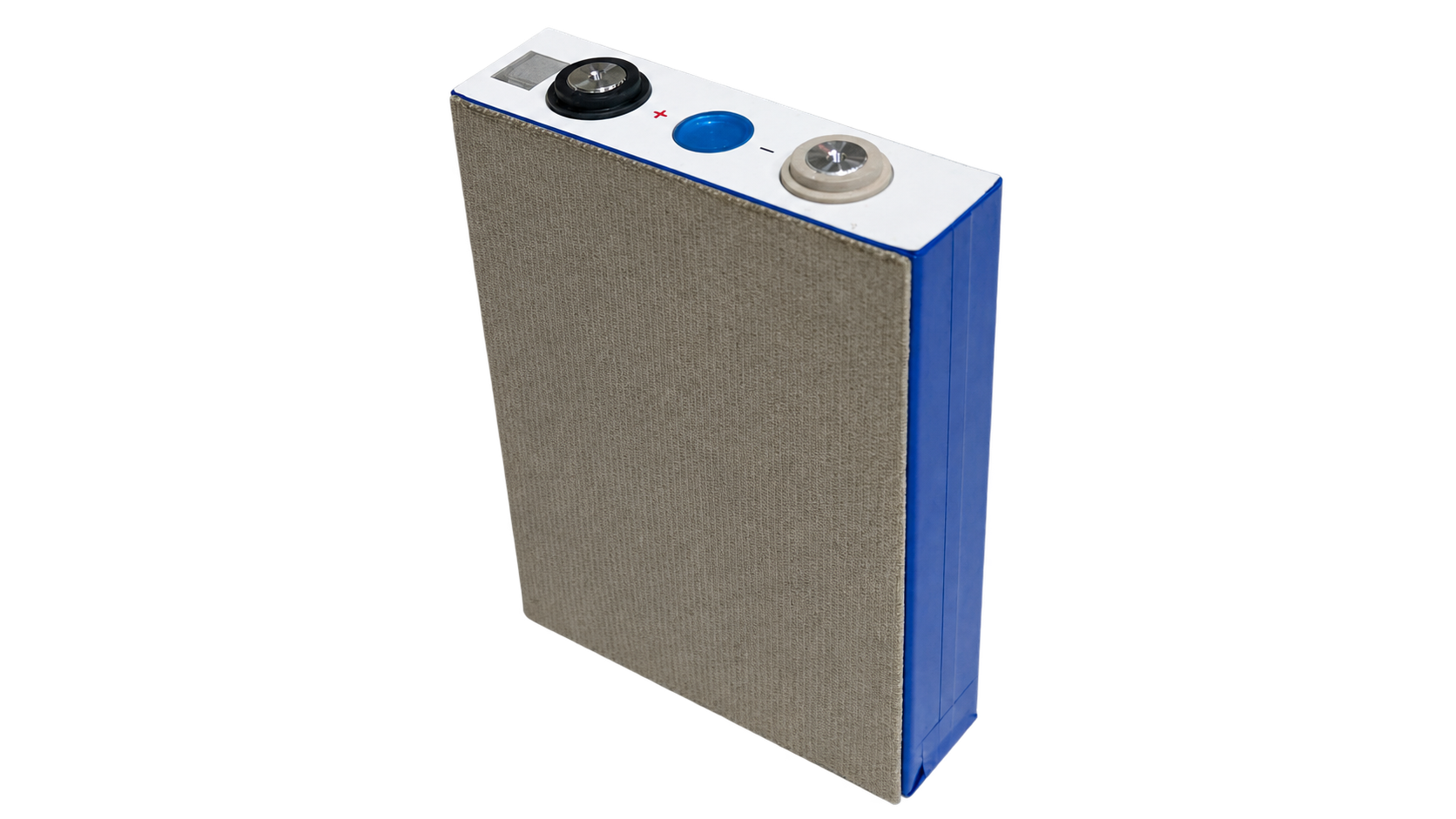
Cell-to-Cell Fire-Resistance Barrier for Maximum Safety
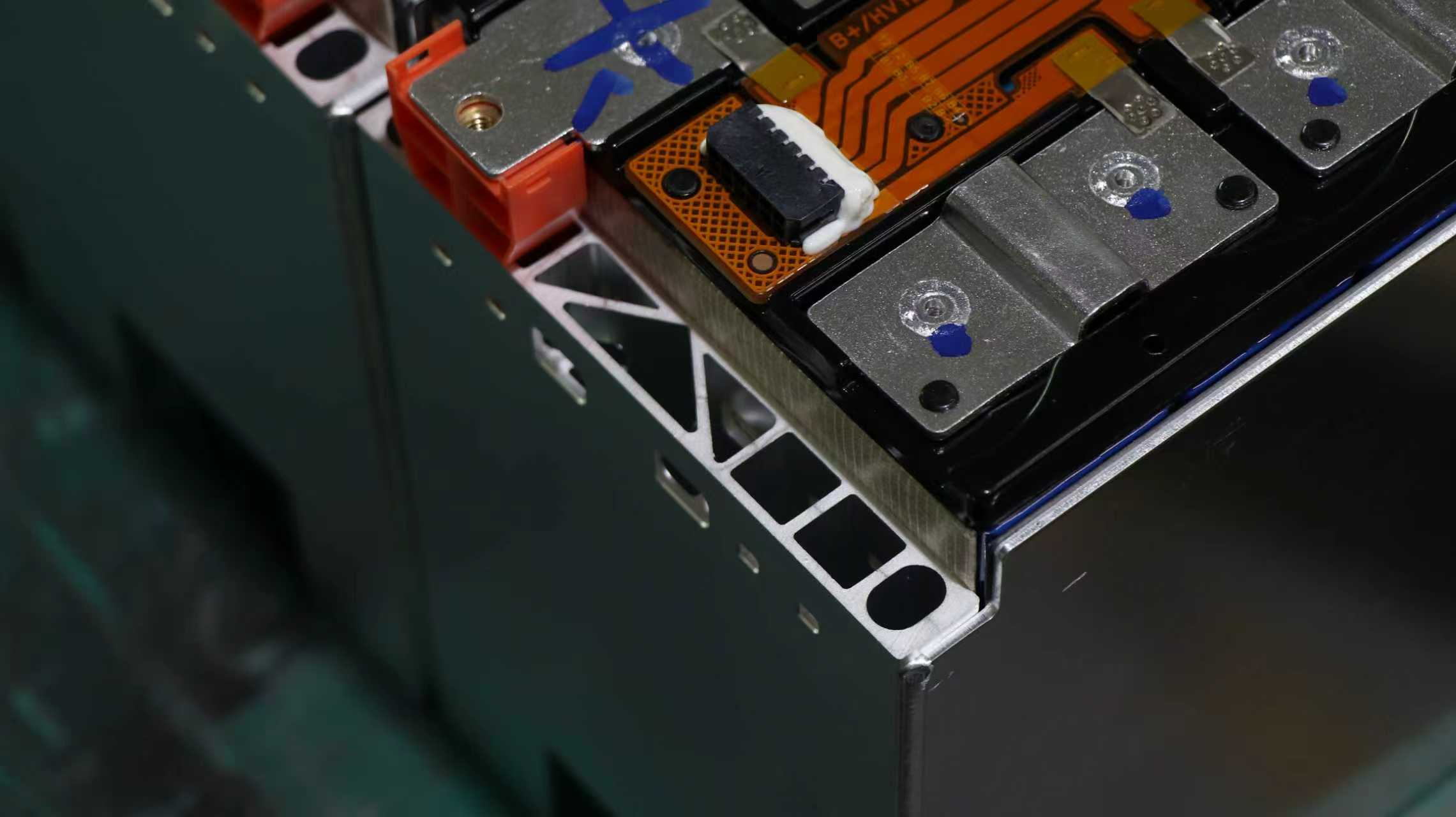
High-stability aluminum profile frame
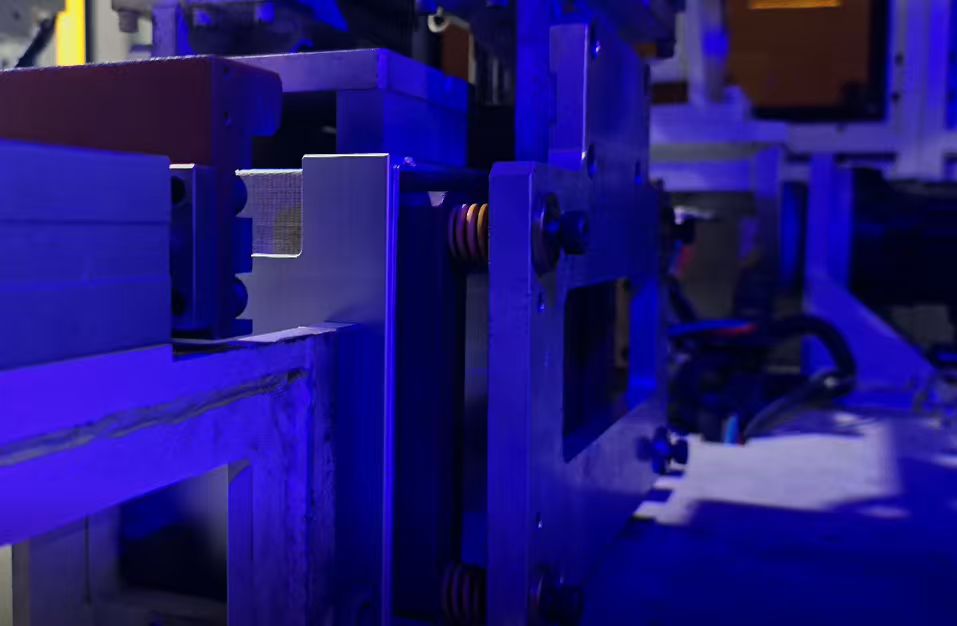
Precision Compression System for Longer Cycle Life
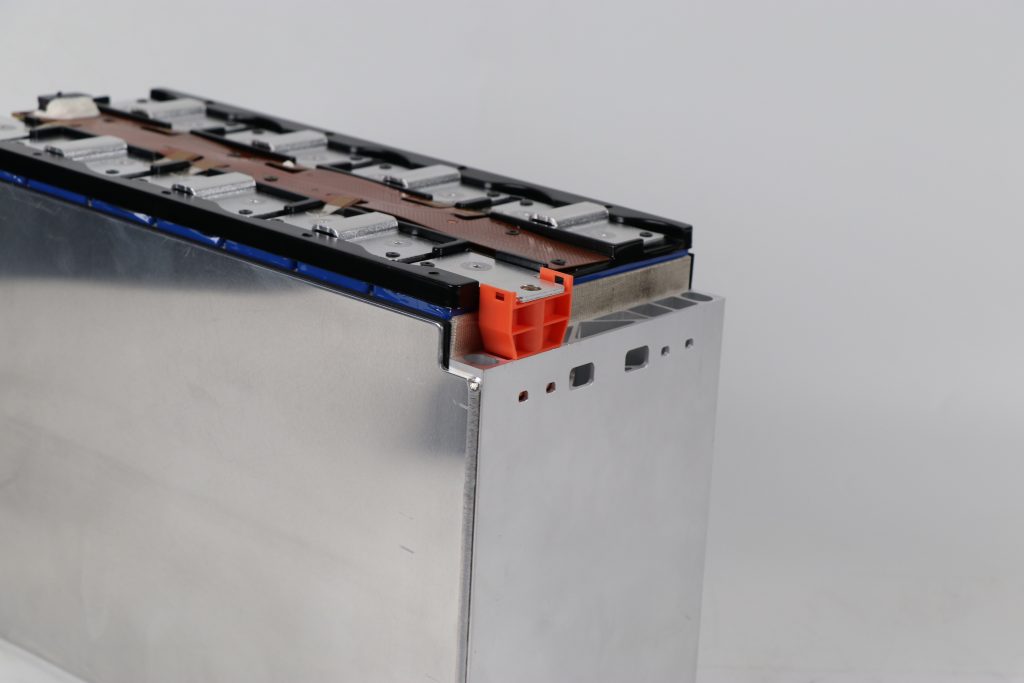
Automotive-Grade FPC Sensing and Laser-Welded Busbar System
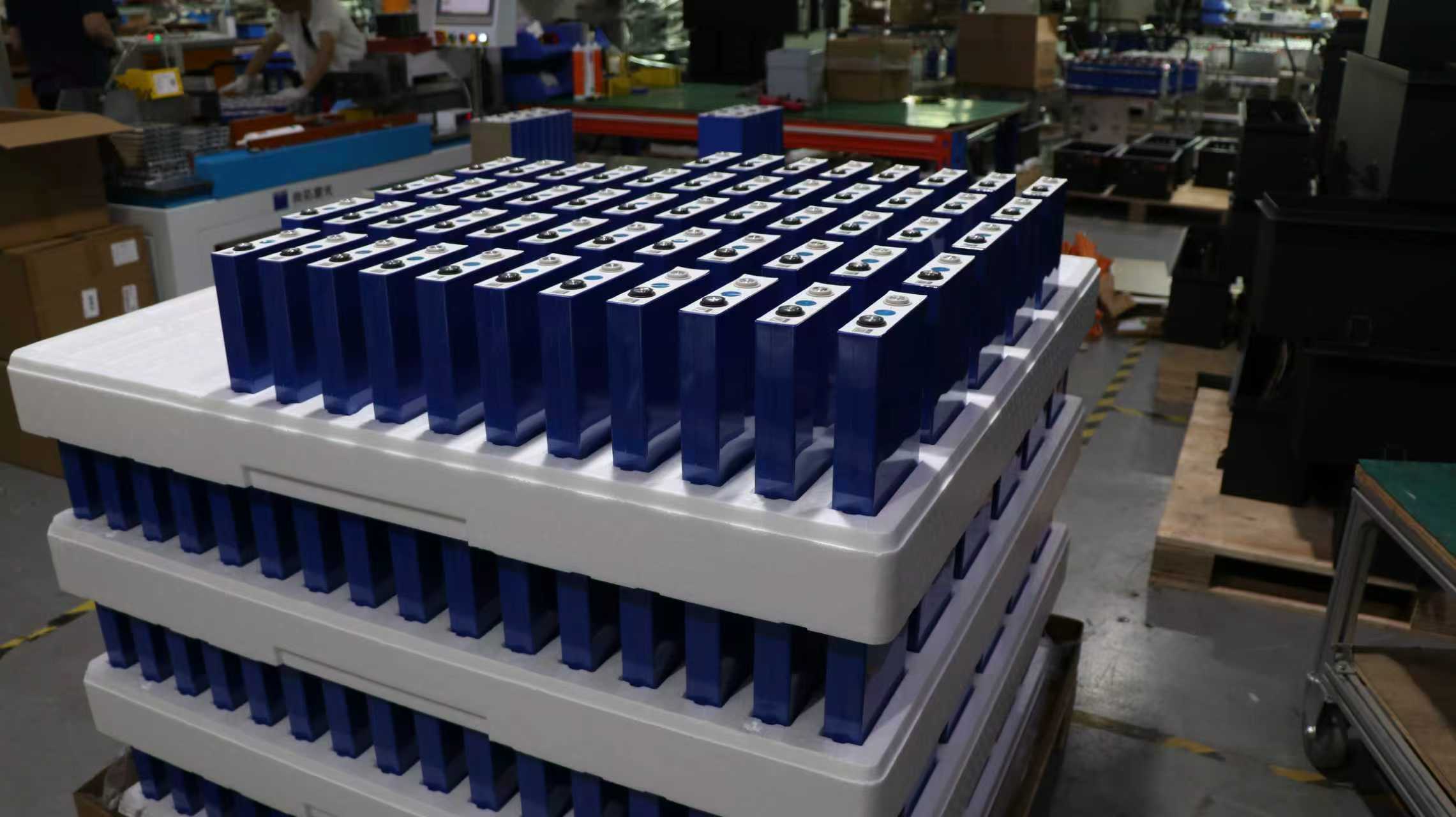
System-Level Consistency for Long-Term Reliability
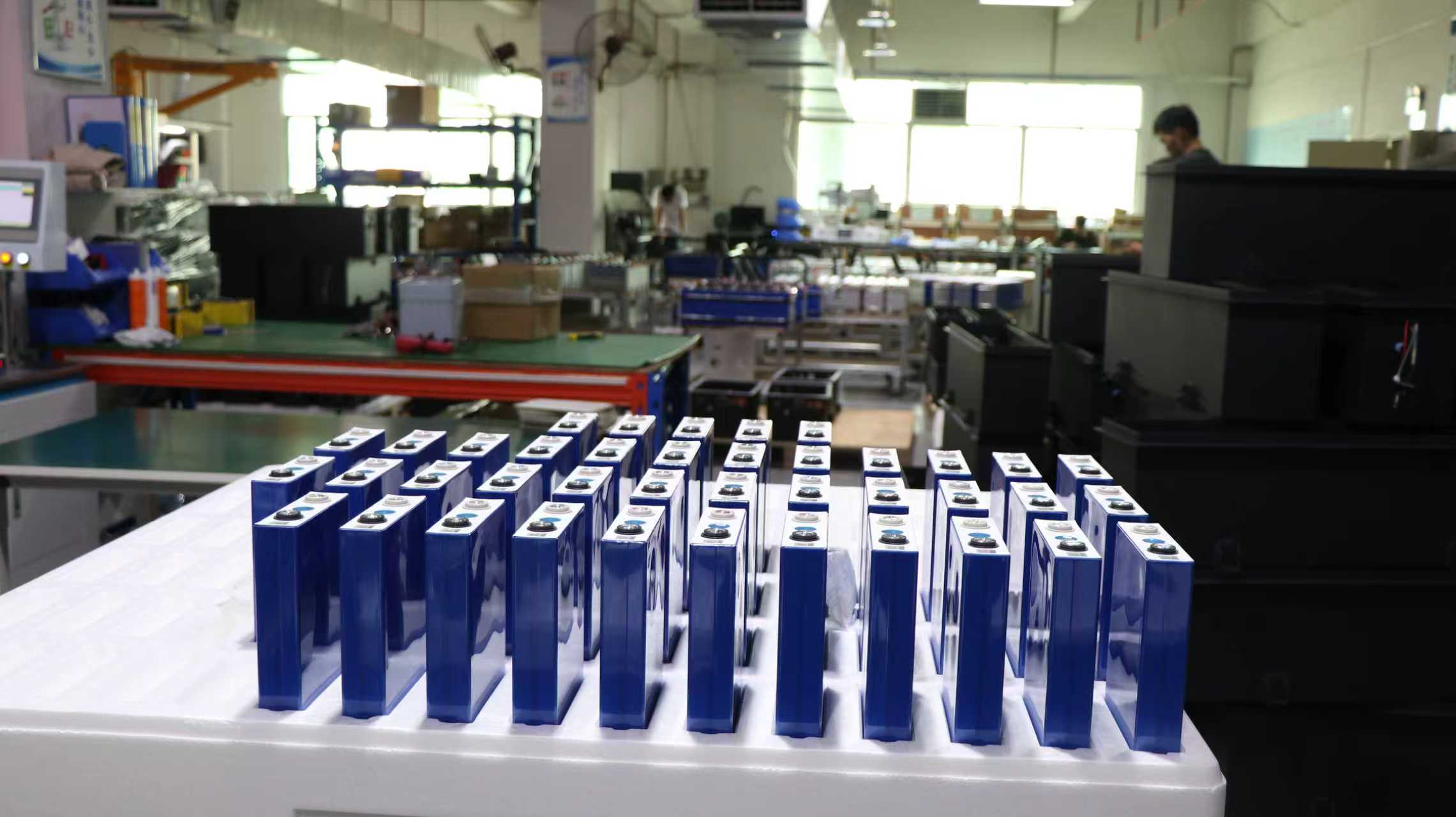
We Source A-Grade, Brand-New Cells from Top-Tier Suppliers — Fully Traceable from Origin For Our Golf Cart Battery.
From A-grade cell selection to module construction and electrical integration, our golf cart battery design focuses on consistency and long-term reliability. Review the connections, mechanical design and service-life evidence below for your operating requirements.
Connections & sensing
Review the laser-welded busbars and FPC sensing alongside your cart’s continuous and peak current requirements.
Mechanical & thermal design
Assess module support, heat paths and enclosure requirements against the vibration, load and temperatures in your fleet’s operation.
Service-life evidence
Review cycle-life data together with depth of discharge, temperature and end-of-life capacity so the results can inform your replacement planning.
See How We Guarantee the Quality of Your Golf Cart Batteries
Explore Robur’s published drop, fire exposure, puncture and water immersion demonstrations. Request the test reports relevant to the battery model and market you are evaluating.
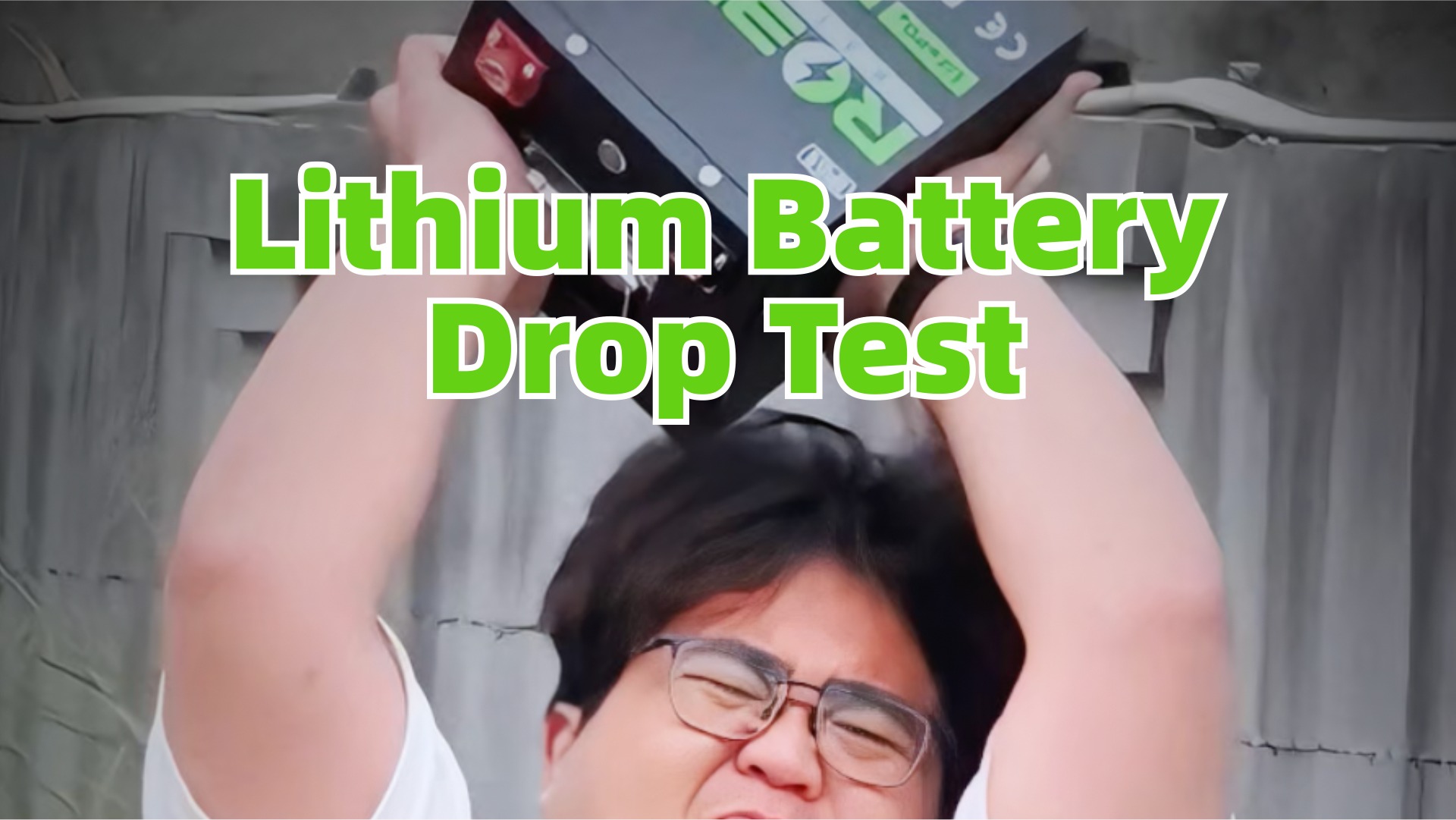 Drop testWatch on YouTube ↗
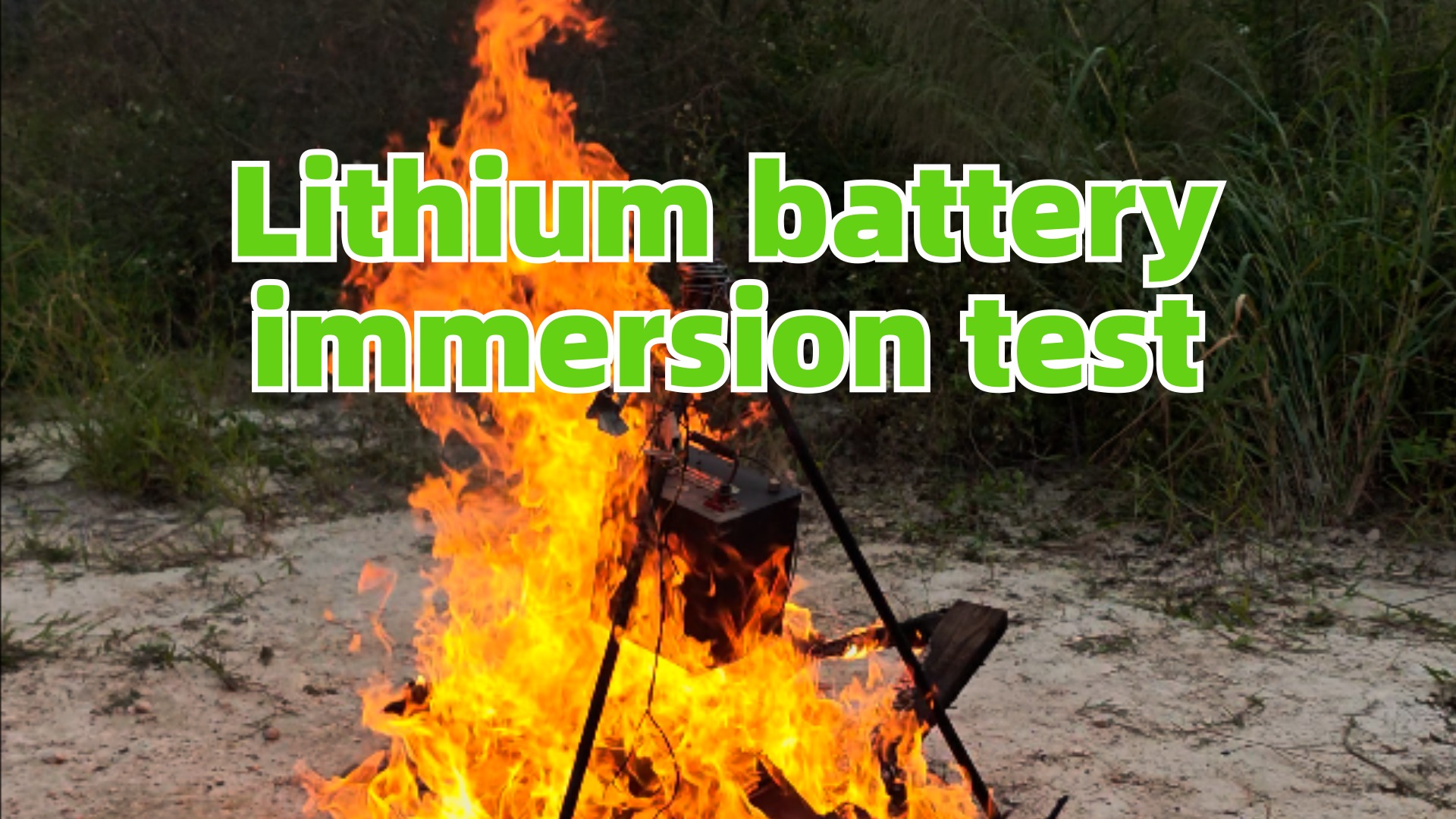 Fire exposure demonstrationWatch on YouTube ↗
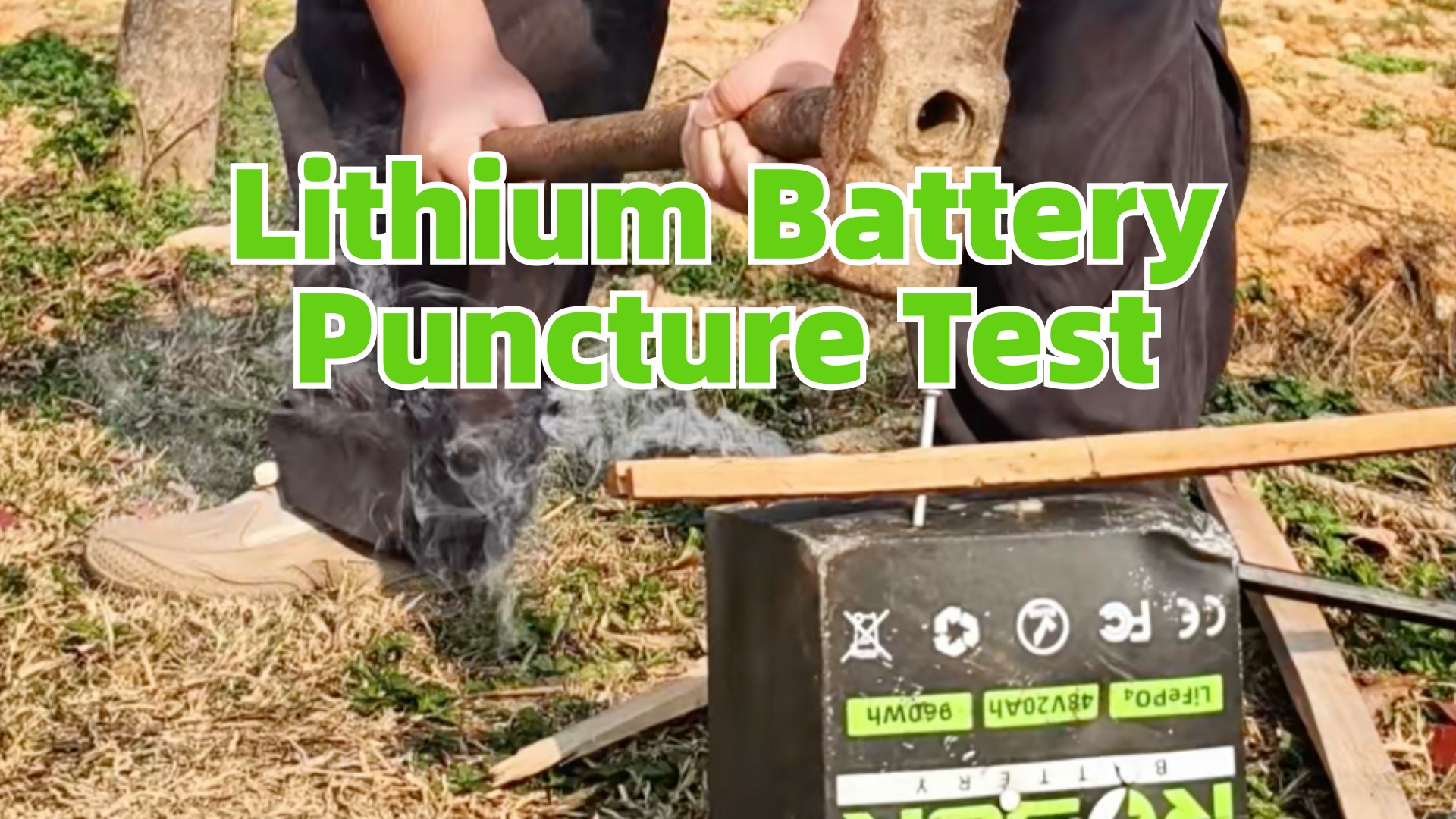 Puncture testWatch on YouTube ↗
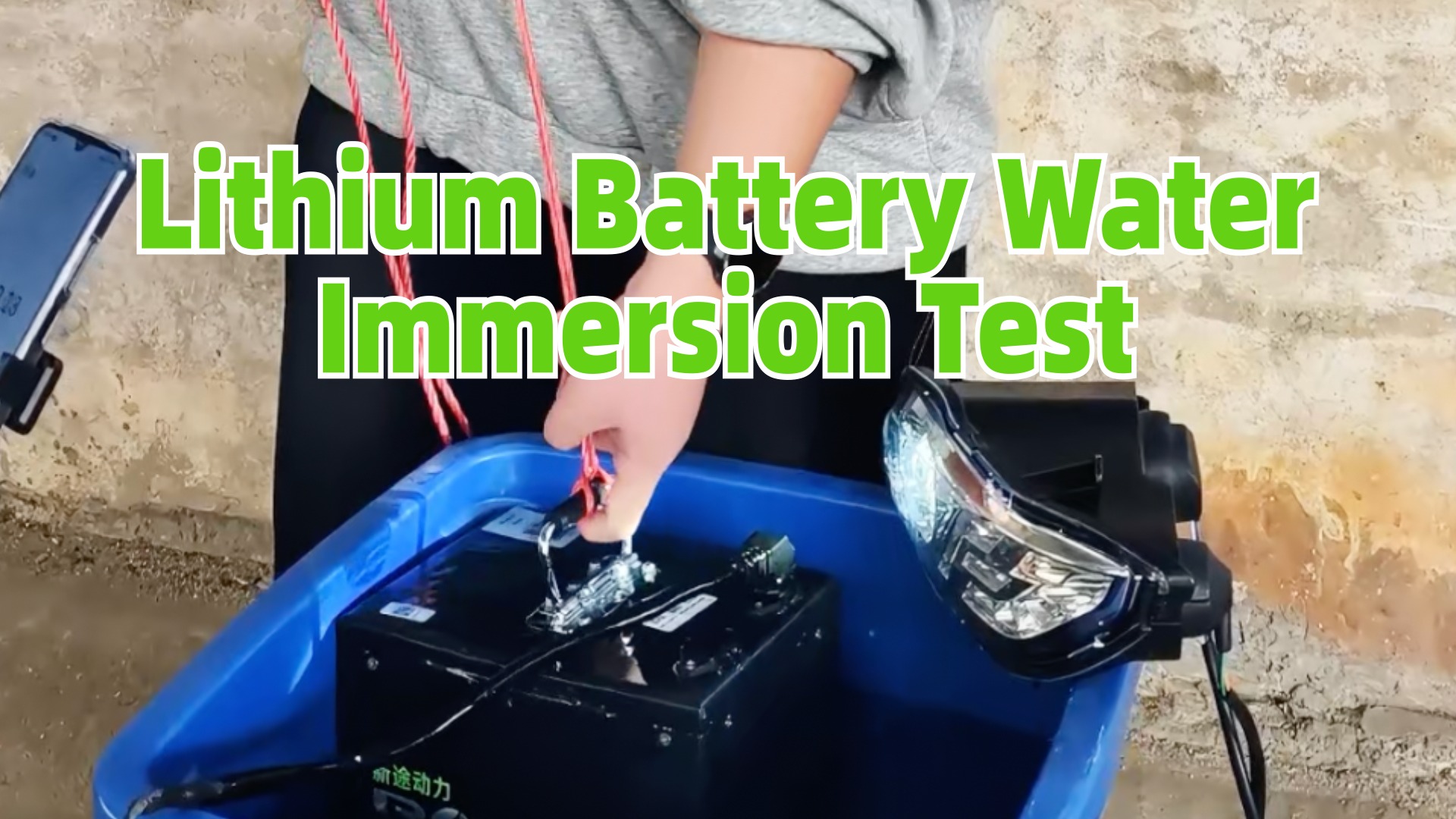 Water immersion testWatch on YouTube ↗
Demonstration videos do not replace a model-specific test report or certification. Test conditions and the battery shown may differ from your configuration.
Custom Golf Cart Lithium Battery Solutions
Specify a stable, high-quality lithium power system around your golf cart’s operating requirements.
Robur’s engineered lithium solutions give golf courses, fleet operators and OEM manufacturers longer driving range, faster charging and higher efficiency. Build a dependable power platform for long-term performance and lower total operating cost, with the configuration defined around your project.
Compartment fitRobur’s golf cart lithium batteries upgrade vehicle performance and reduce lifetime operating costs. Configure the efficiency, safety and reliability your business needs—whether you operate a golf course fleet, run rentals or manufacture new cart models.
Top Golf Cart Lithium Battery Manufacturer in China
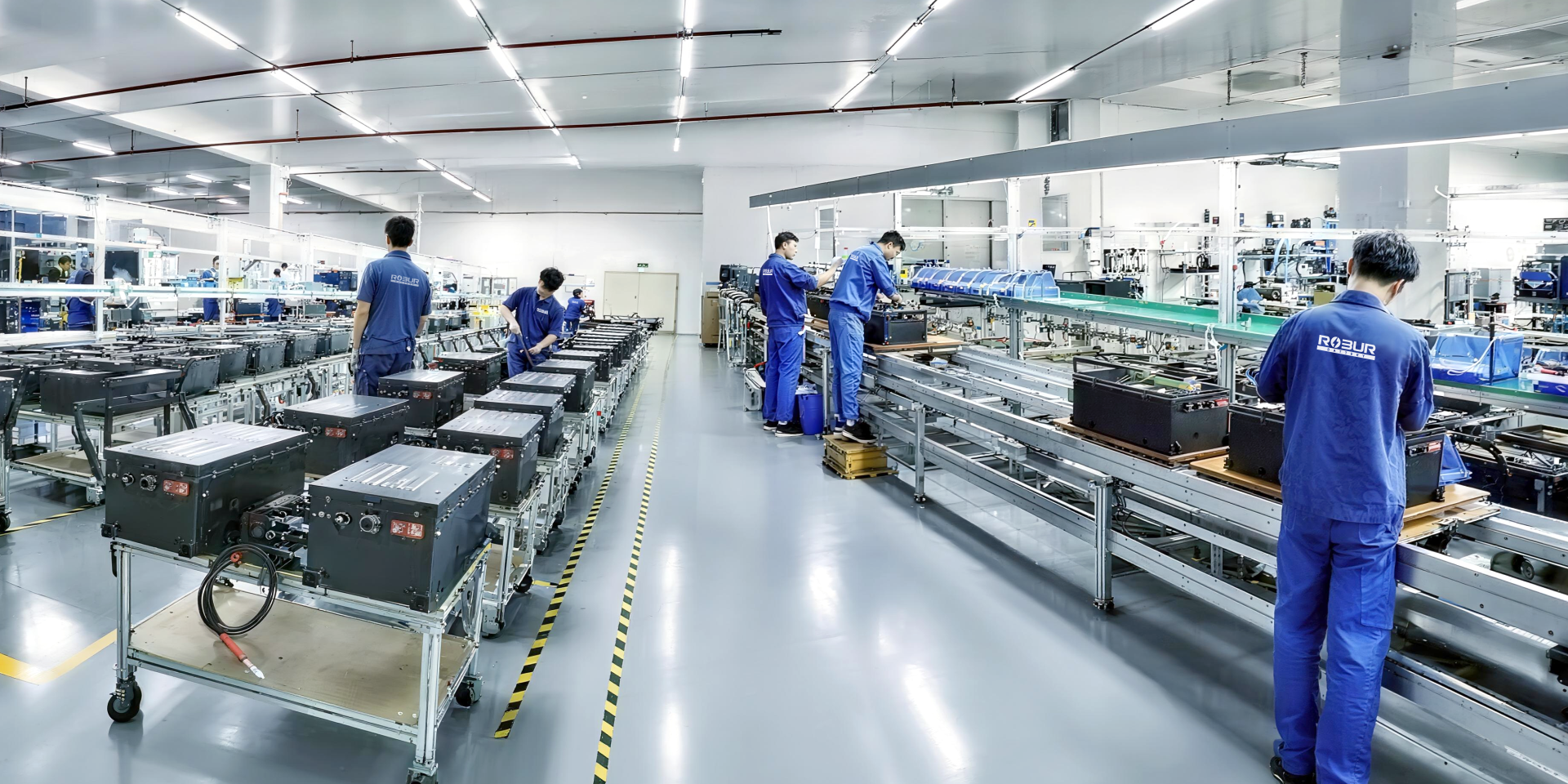
From our beginnings
Robur, the battery brand of Dongguan Xintu Power Technology Co., Ltd., began manufacturing golf cart batteries in 2006. After more than a decade of development, we have grown into a trusted lithium battery solutions brand and a factory-direct manufacturer.
Built for production
Through continued expansion and relocation, our manufacturing operation has grown to more than 500 employees and 30 automated production lines, with an annual capacity of 100,000 lithium batteries. Customers in over 100 countries worldwide trust our products.
People who stay
Our people are a source of pride: over 100 employees have been with us for more than 10 years, reflecting a strong company culture and a stable team. We remain dedicated to becoming the world’s most trusted manufacturer of golf cart lithium batteries.
Manufacturing Premium Golf Cart Lithium Batteries to the Highest Industry Standards
Why Robur Lithium Modules Outperform Standard Lithium Batteries
Compare the cell quality, structure, power output, safety, thermal design and cycle life of Robur modules with standard lithium batteries. As a dedicated golf cart lithium battery manufacturer, we combine A-grade cells from top-tier suppliers with automotive-grade engineering for superior durability, stable power and long-term reliability in fleet and OEM applications.
Cell quality
Standard Lithium Battery
Mixed cell brands; inconsistent batches; may include B-grade cells with higher internal resistance and shorter cycle life.
Robur Lithium Module
Brand-new A-grade prismatic cells from top-tier suppliers. Tight cell matching & professional compression ensure superior consistency and longer lifespan.
Module Structure
Standard Lithium Battery
Simple steel box; EVA spacers; no compression; wiring harness; low vibration resistance.
Robur Lithium Module
Automotive-grade aluminum compression frame, laser-welded busbars, and robust structural rigidity. Designed for industrial vibration and long-term durability.
How this makes a difference
Many standard lithium packs are simply cells placed in a sheet-metal box with foam spacers and basic wiring. Robur modules are built on a true automotive-grade structure with an aluminum compression frame, rigid side profiles, and laser-welded busbars. This engineered design withstands vibration, shock, and long-term mechanical stress in demanding golf cart fleets.
Power Output Performance
Standard Lithium Battery
Thin busbars or bolt connections; limited continuous discharge; heat buildup under load.
Robur Lithium Module
High-current busbar system + low-impedance design. Stable performance for golf carts even under peak torque conditions.
How this makes a difference
Standard lithium packs often rely on thin busbars or bolt terminals, which limit continuous current and generate heat under heavy load. Robur modules adopt a low-impedance current path with wide busbars and optimized connections, enabling stable high current output for acceleration, hills, and heavy-duty use. Golf carts equipped with Robur batteries maintain stronger torque and more consistent power delivery throughout the discharge.
Safety & Sampling System
Standard Lithium Battery
Basic BMS; wire harness voltage sensing prone to loosening or EMI interference.
Robur Lithium Module
Automotive FPC sensing, precise cell-level monitoring, and multi-layer safety architecture (compression + aluminum housing + industrial BMS).
How this makes a difference
In many generic packs, cell voltages are measured through loose wire harnesses and basic BMS designs, increasing the risk of inaccurate readings and undetected faults. Robur uses automotive FPC flexible circuits for precise cell-level sampling, combined with multi-layer protection logic in our industrial BMS. This ensures accurate monitoring, faster fault response, and a much higher overall safety margin for operators and fleets.
Thermal Performance
Standard Lithium Battery
No thermal engineering; hotspot issues; uneven cell aging.
Robur Lithium Module
Aluminum housing & cell compression create uniform heat distribution → longer lifespan and stable performance in all climates.
How this makes a difference
Poorly engineered lithium packs can suffer from hotspots and uneven cell temperatures, which accelerate aging and reduce capacity. Robur’s aluminum housing and compression structure create an efficient heat path, keeping cells at a more uniform temperature during charging and discharging. The result is better performance in both hot and cold climates, and more stable operation over the full life of the battery.
Durability & Cycle Life
Standard Lithium Battery
1500–2500 cycles (varies heavily by supplier).
Robur Lithium Module
3000–6000+ real industrial cycles using A-grade cells and engineered module design.
How this makes a difference
Because of mixed cell sources, weak structures, and limited thermal control, many standard lithium batteries start to lose capacity quickly after a few hundred cycles. Robur combines A-grade cells with automotive-grade module engineering to achieve 3,000–6,000+ real cycles in golf cart duty. For fleet owners, this means fewer replacements, less downtime, and a much longer effective service life per pack.
Lithium power for fleets,
rentals and cart manufacturers.
Golf Course Fleets
Significantly higher reliability, longer runtime, and reduced maintenance downtime.
Rental Companies
Robust modules withstand daily cycling, frequent charging, and harsh operation.
OEM Manufacturers
True automotive-grade module design enables higher performance and longer warranty cycles.
With Robur’s automotive-grade golf cart lithium modules, you don’t just upgrade the battery — you upgrade the entire power system. Our A-grade cells, engineered module structure, and industrial-level reliability give your fleet longer life, safer operation, and higher value over time.
From battery requirements
to production.
Work directly with Robur on OEM / ODM golf cart batteries or fleet replacement projects. Define the battery requirements, evaluate a sample and confirm the configuration before production.
- 01
Define requirements
Share your cart application, voltage, capacity, installation dimensions and operating environment, including any special requirements.
- 02
Engineering Evaluation
Our engineering team reviews your requirements to propose the best custom battery pack solution for the project, including BMS integration and safety considerations.
- 03
Sample development
Develop a sample of the agreed battery configuration for your evaluation.
- 04
Customer Testing & Feedback
Test performance and compatibility in your carts under real operating conditions. Our team works with you to refine design details where adjustments are needed.
- 05
Production & delivery
Approve the sample configuration to move into full-scale production. Each battery pack passes rigorous quality inspections before secure packaging and on-time delivery.