
Lithium battery modules.
Engineered for integration.
Robur develops high-performance LiFePO4 battery modules for industrial equipment, mobility and energy-storage applications.
Our in-house engineering team brings cell matching, mechanical structure, BMS protection and thermal management together for stable output and long cycle life. Strict testing and controlled manufacturing help OEMs build safer, more reliable systems with smoother equipment integration.
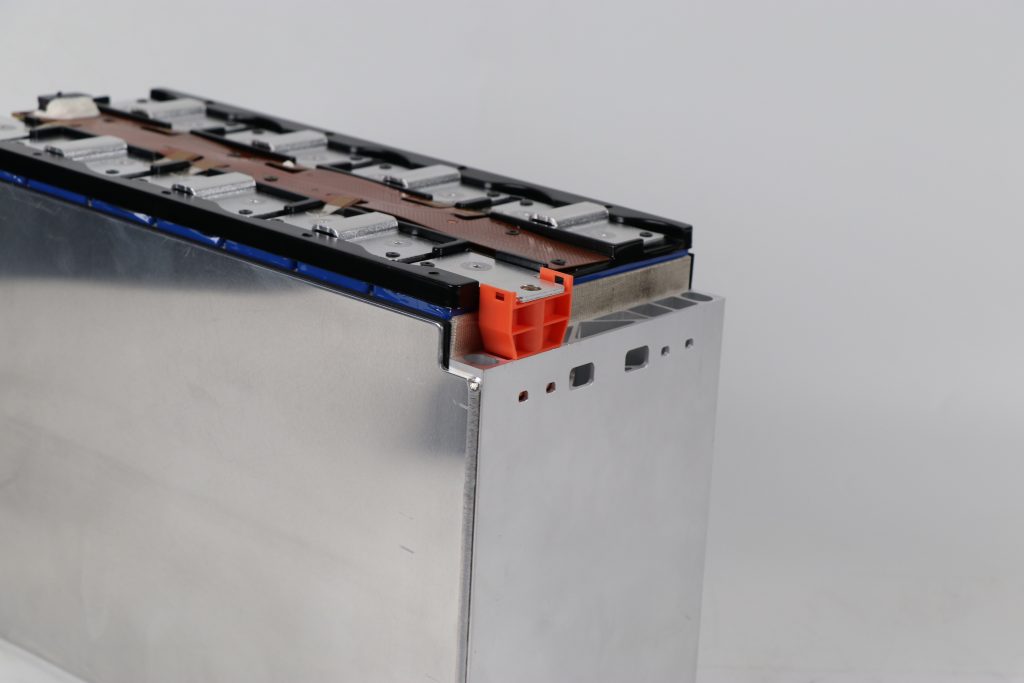
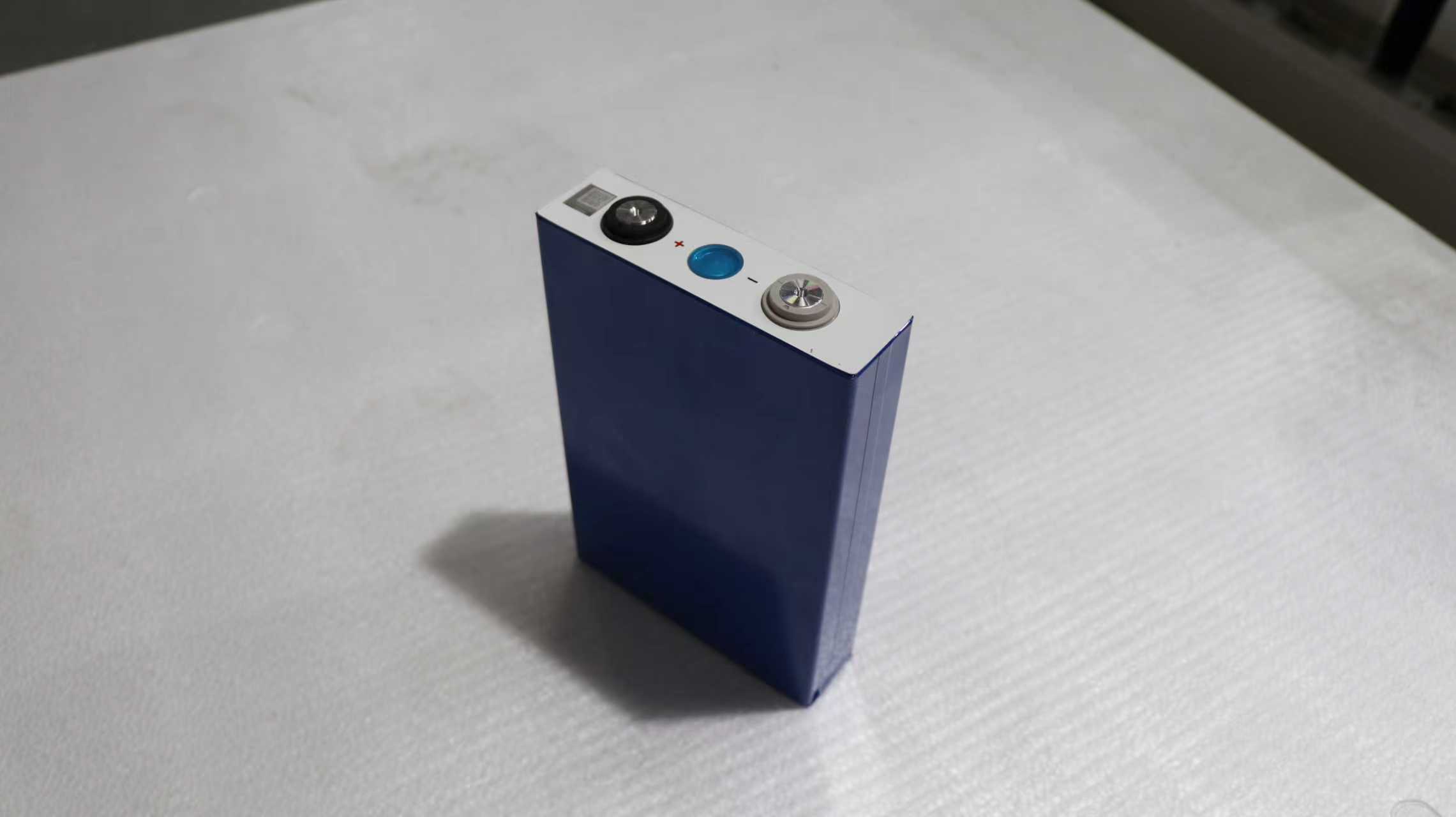
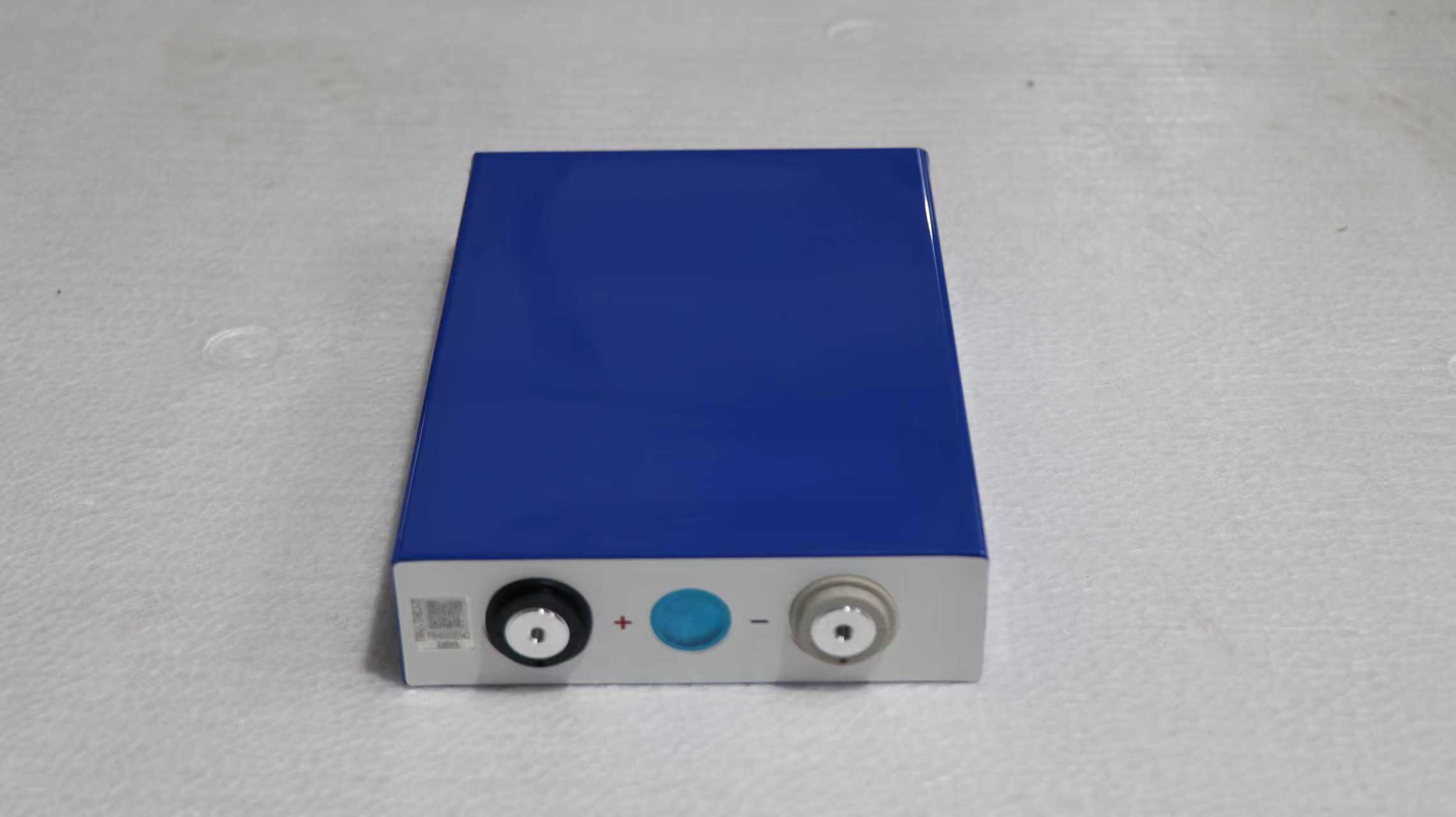
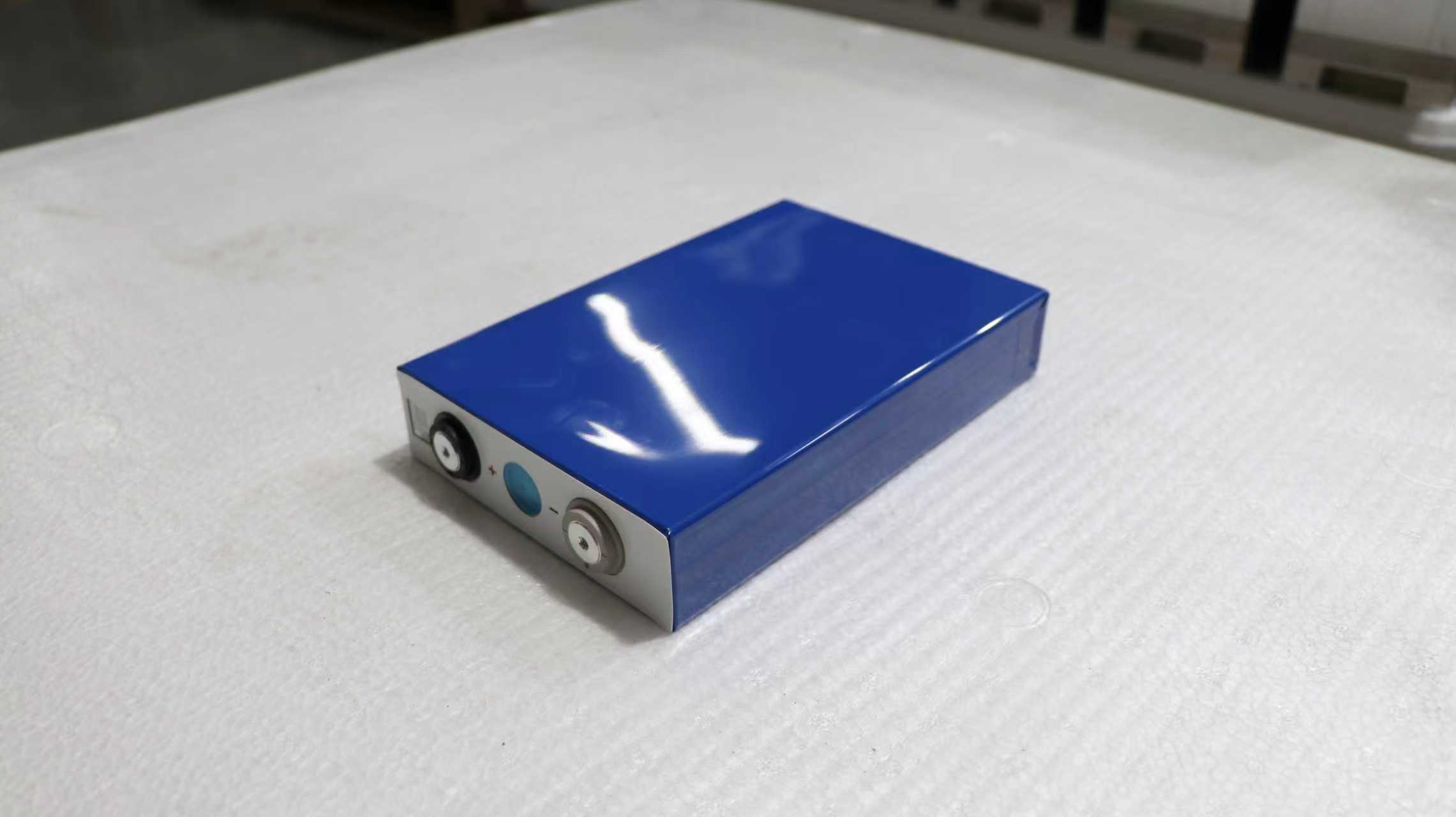
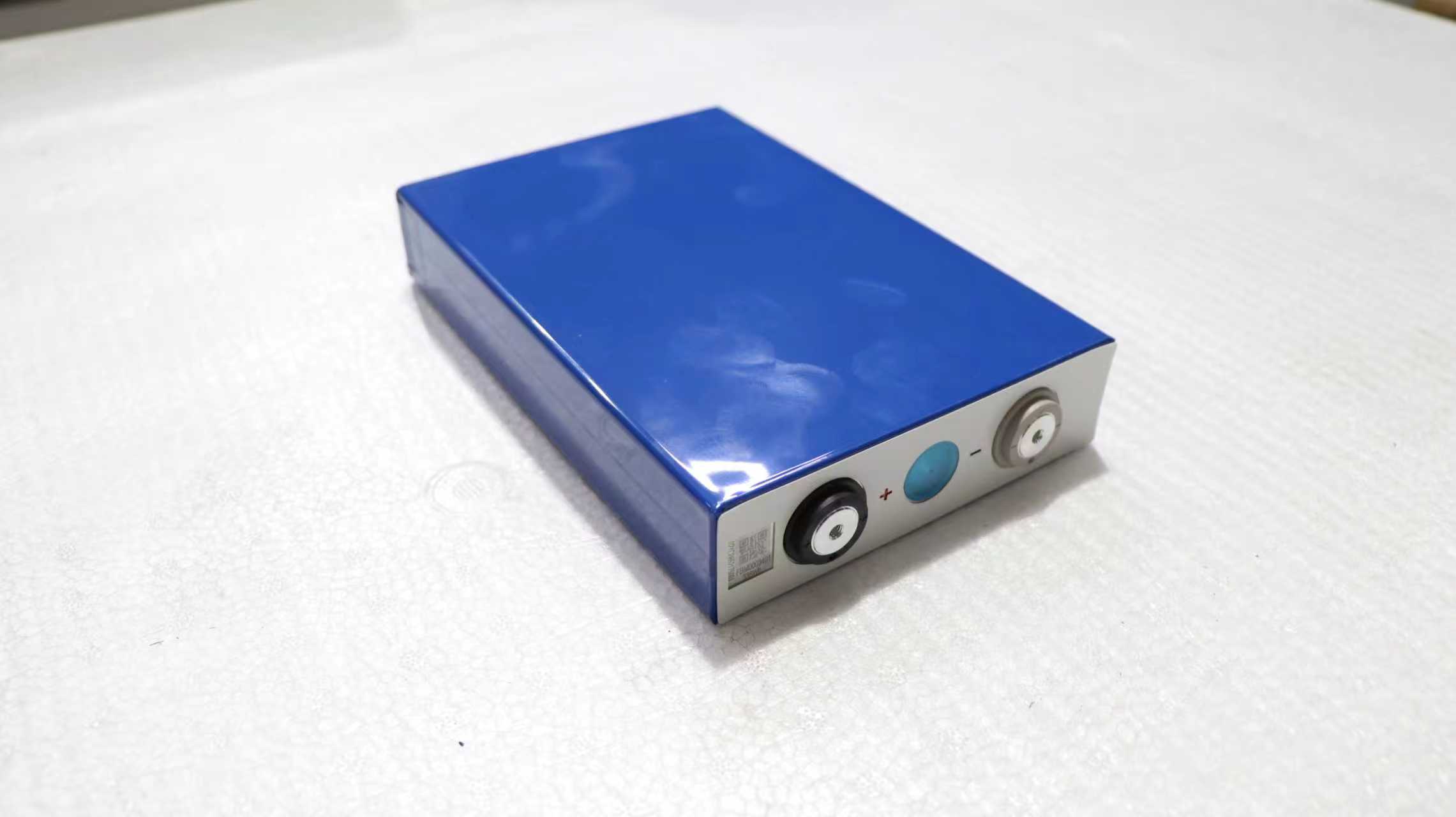
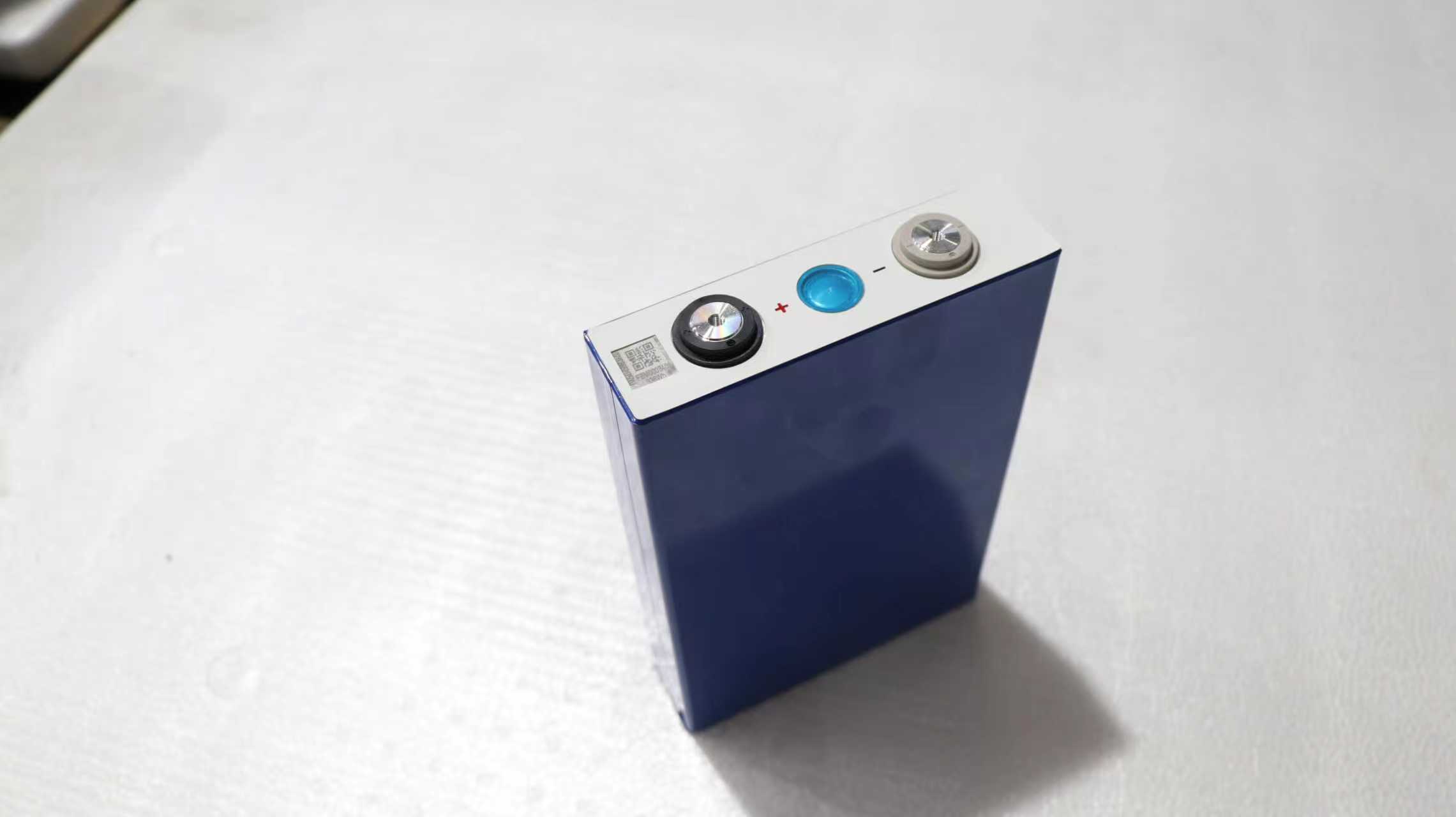
Wide-tab, A-grade prismatic cells.
Every module starts with brand-new A-grade prismatic cells. Wide tabs, aluminum shells and large laser-welded contact surfaces deliver exceptionally low internal resistance, outstanding consistency and stable performance in demanding fleet environments.
- Longer cycle life: 3,500–6,000 cycles.
- Higher discharge capability with lower heat generation.
- Better batch consistency for smoother system integration.
- Wide tabs reduce electrical loss during high-current output.
Confirm the selected cell model, operating temperature, charge/discharge rate, depth of discharge and end-of-life criterion for your cycle-life requirement.
Explore our cell sourcing and traceability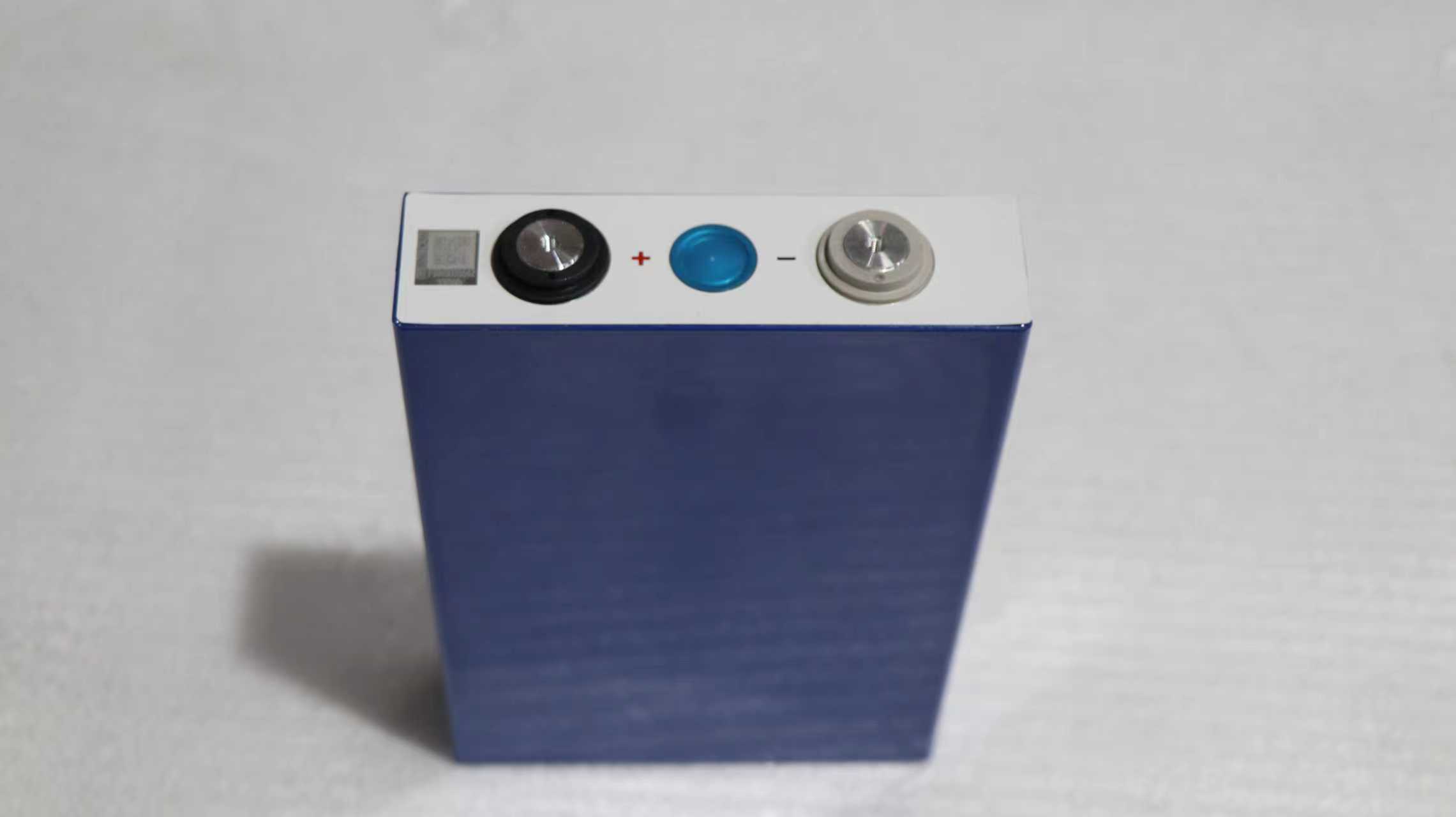
A fire-resistance barrier
between neighboring cells.
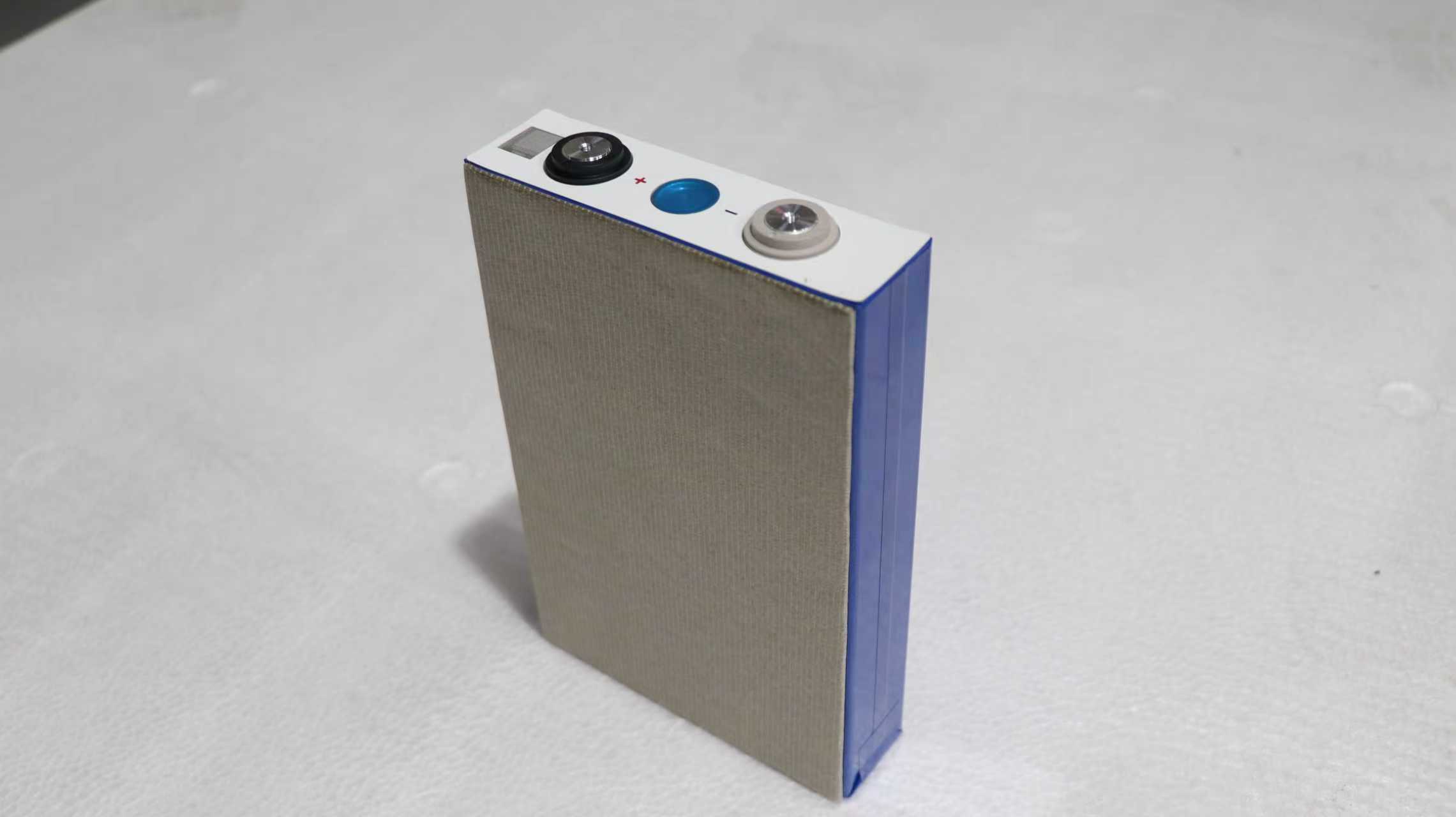
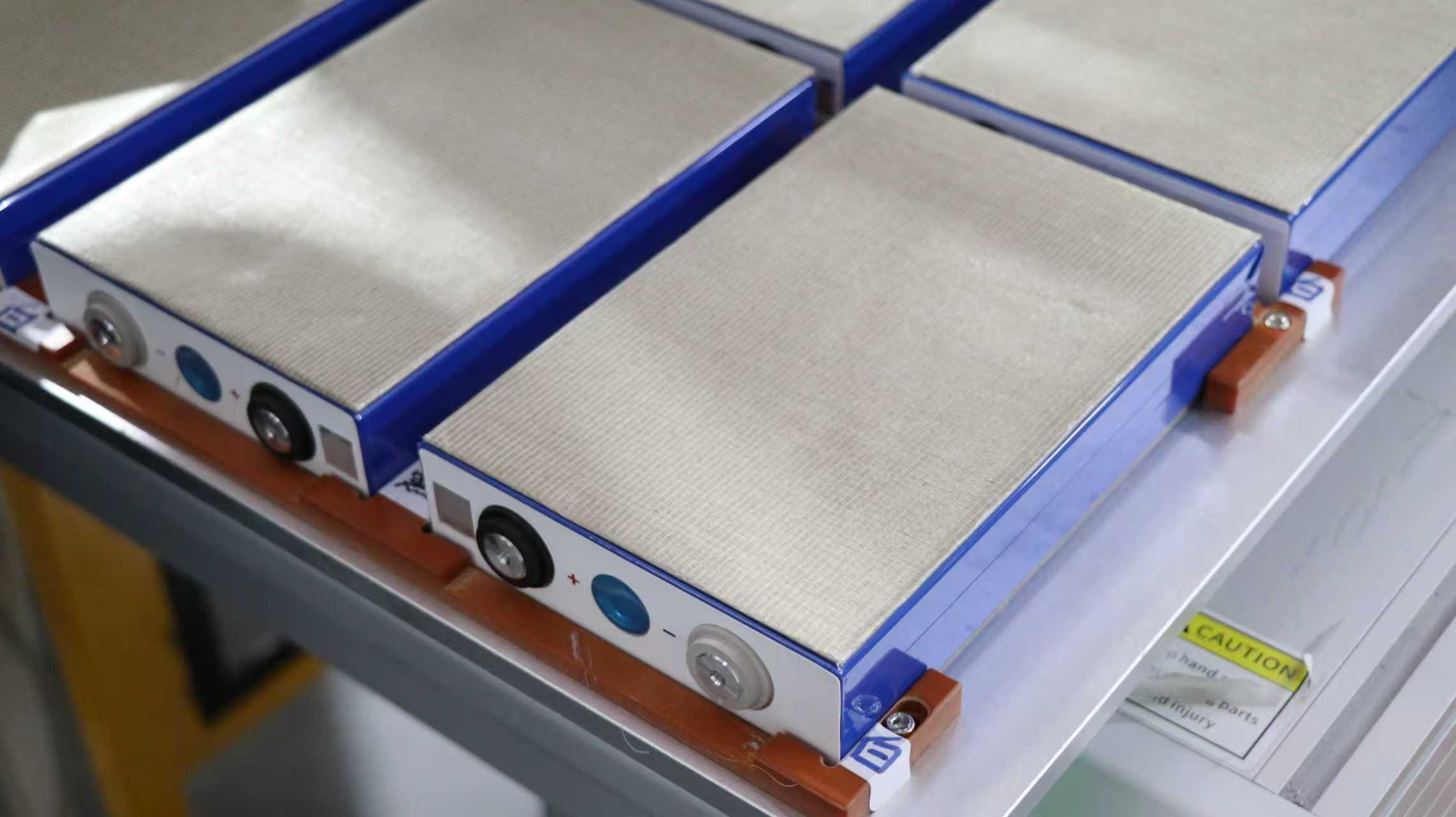
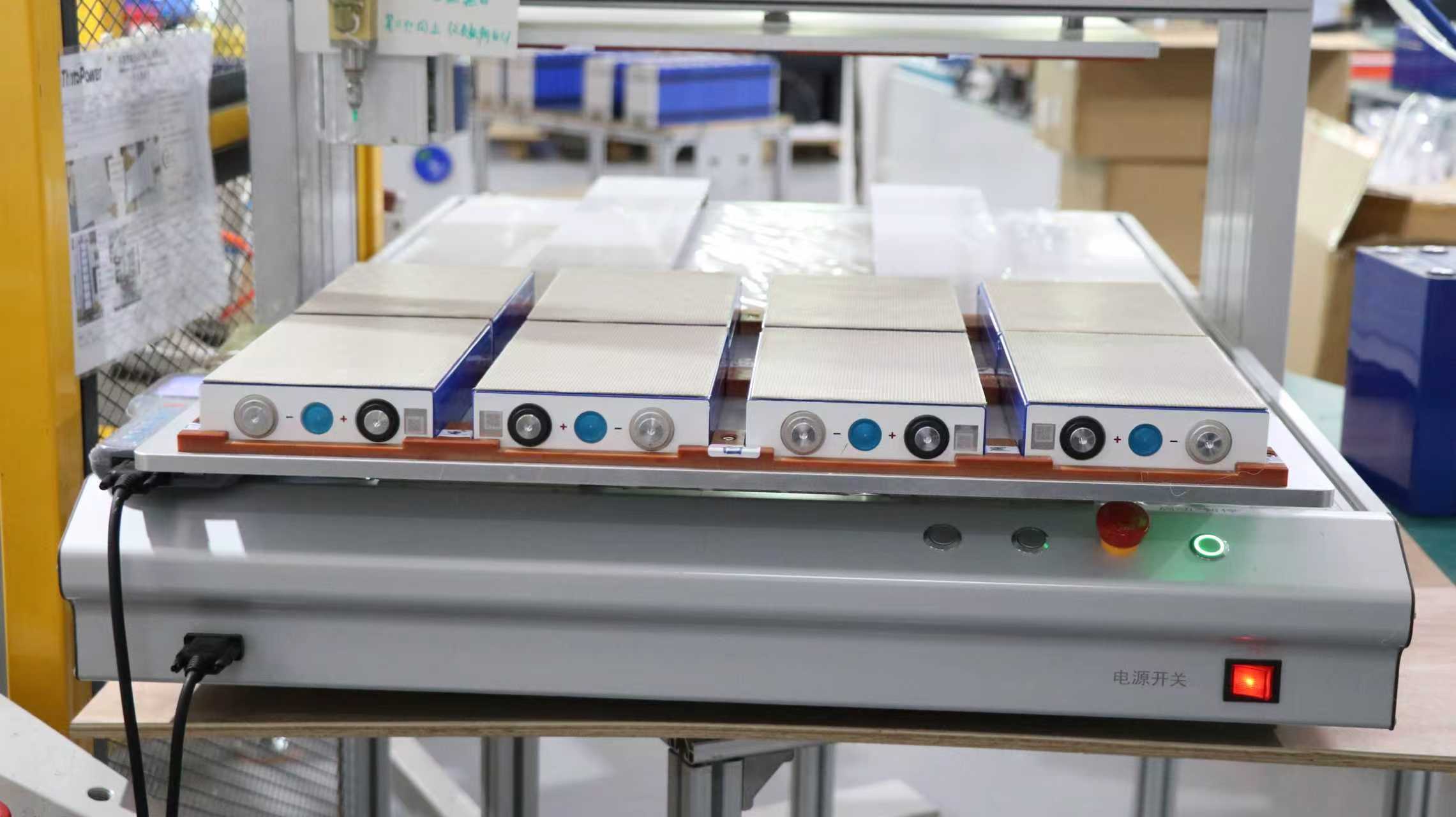

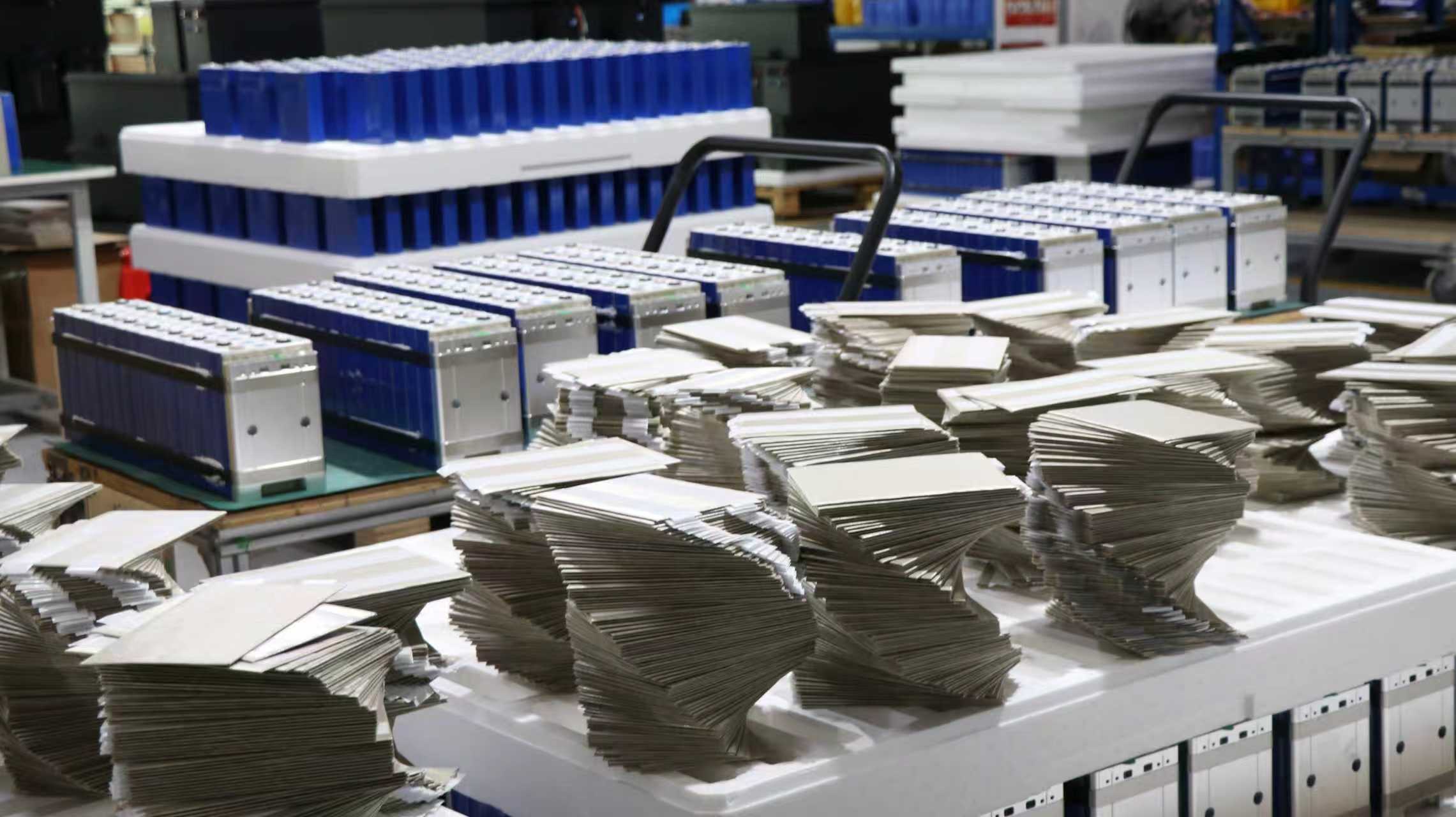
A dedicated cell-to-cell thermal isolation layer provides outstanding flame resistance and prevents heat propagation in extreme conditions. The barrier withstands thermal shock exceeding 1,400°C, containing abnormal heating in a single cell so it does not spread to adjacent cells.
This automotive-grade safety design strengthens pack resilience, improves system-level protection and provides a critical safeguard for high-power applications.
The thermal-shock figure describes the barrier, not the battery’s operating temperature. Review the material test conditions and module-level validation for your configuration.
A rigid frame.
Controlled cell compression.
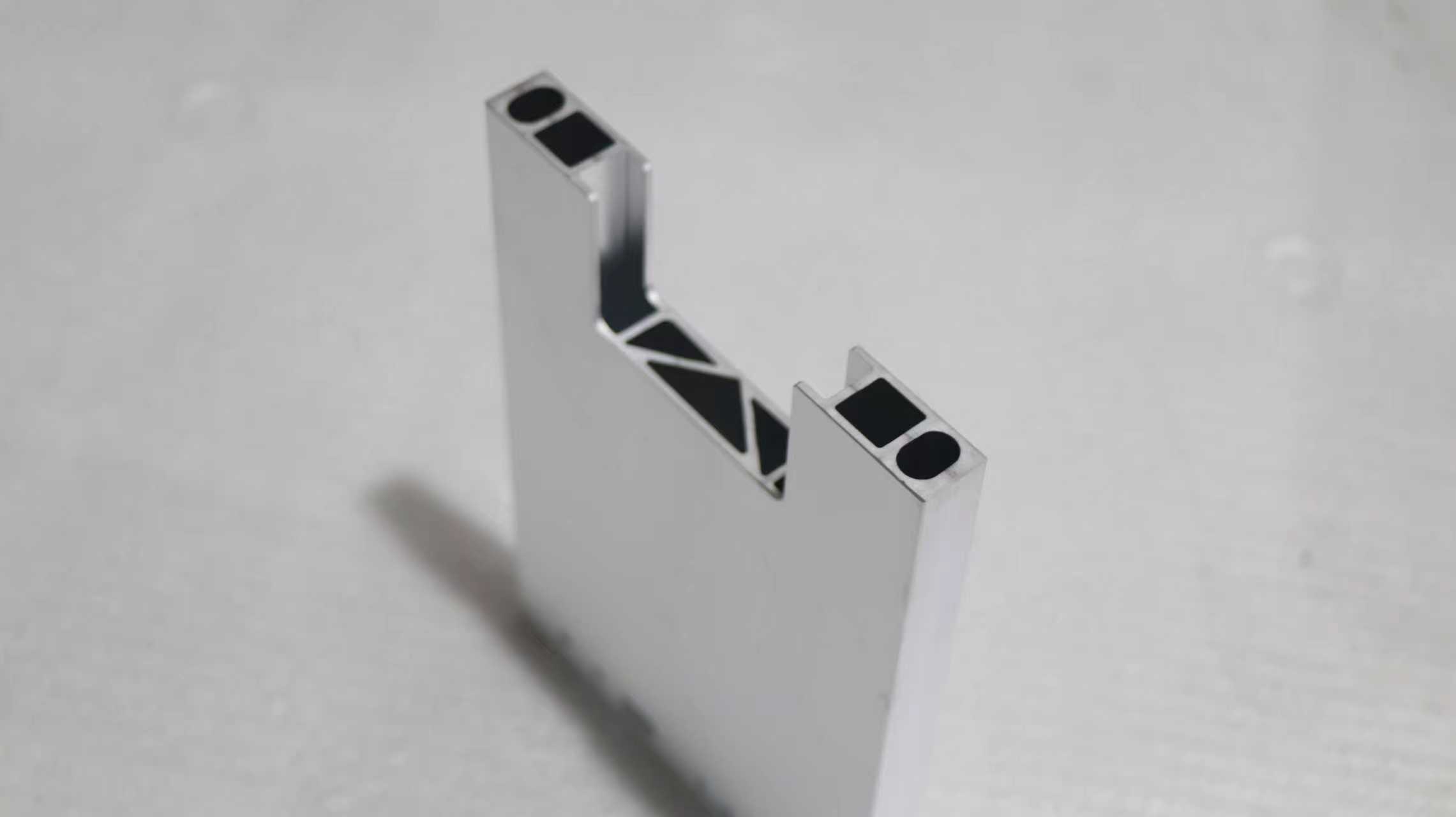
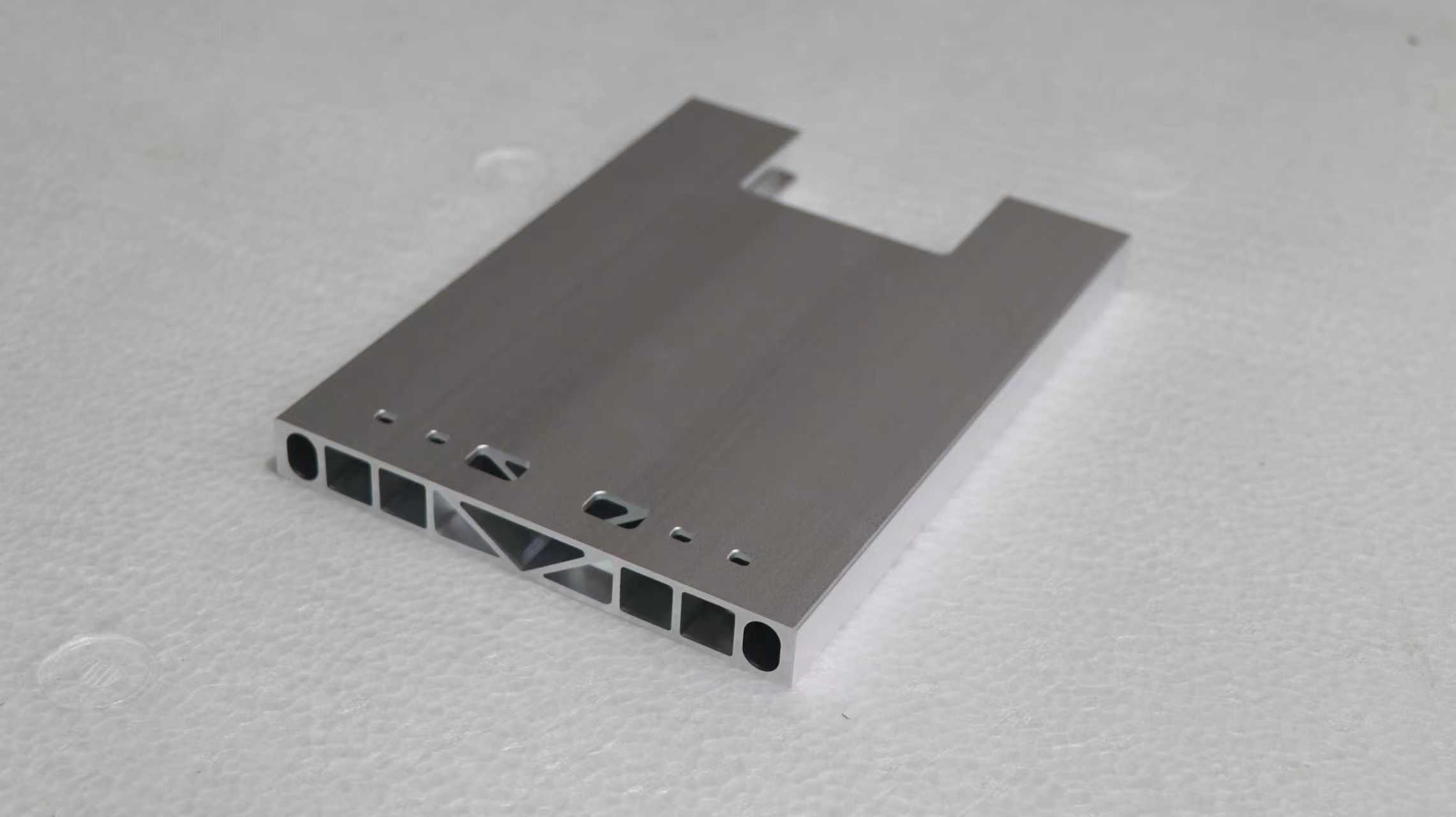
Robur’s high-rigidity aluminum extrusion frame provides far greater structural strength and vibration resistance than traditional sheet-metal housings. Its high thermal conductivity accelerates heat dissipation, supporting stable cell performance under continuous high loads.
Precise dimensions and controlled assembly tolerances prevent long-term deformation, swelling and compression loss. The frame protects internal components throughout the battery’s service life, creating a durable, reliable and maintenance-friendly system.
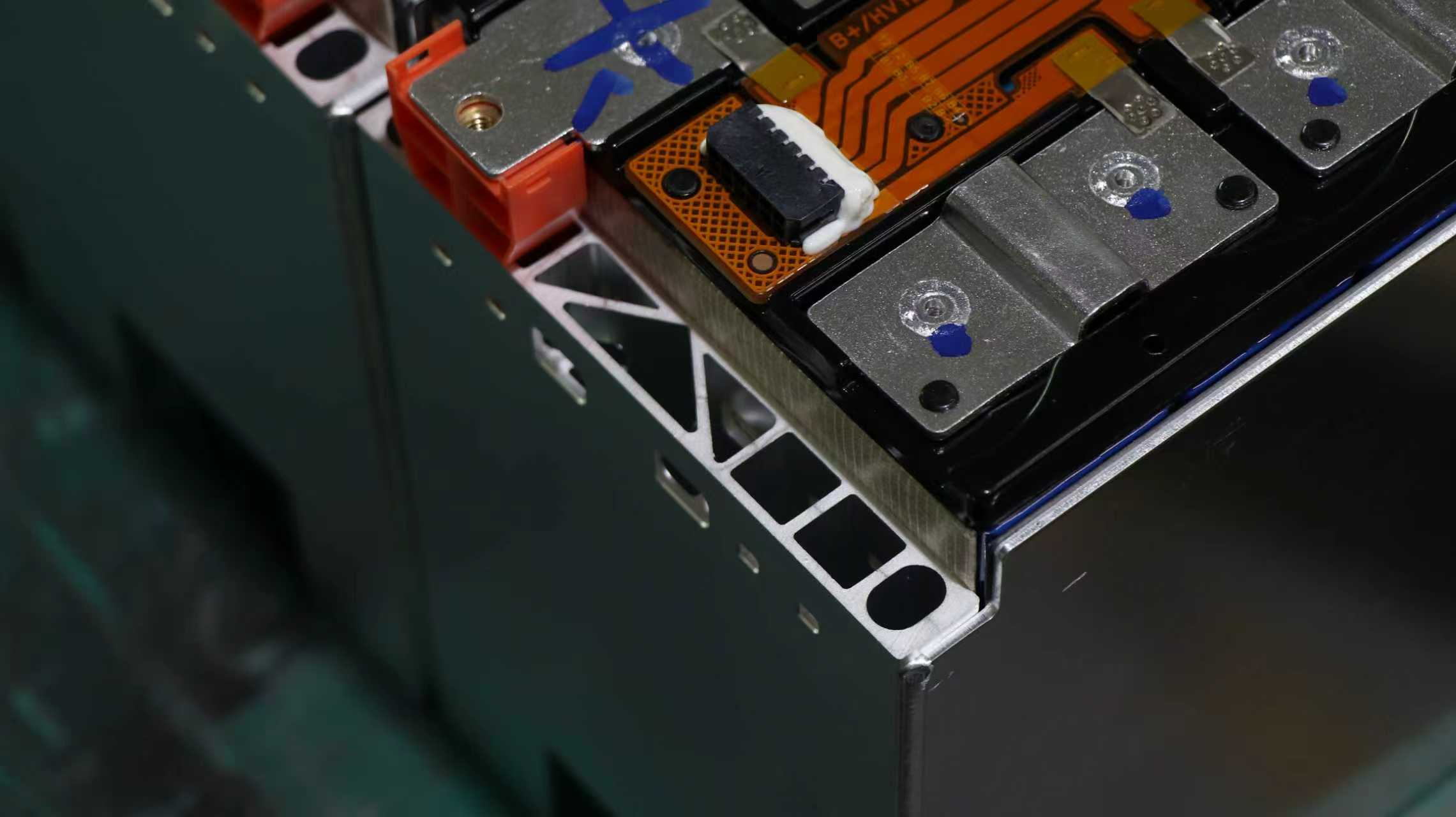
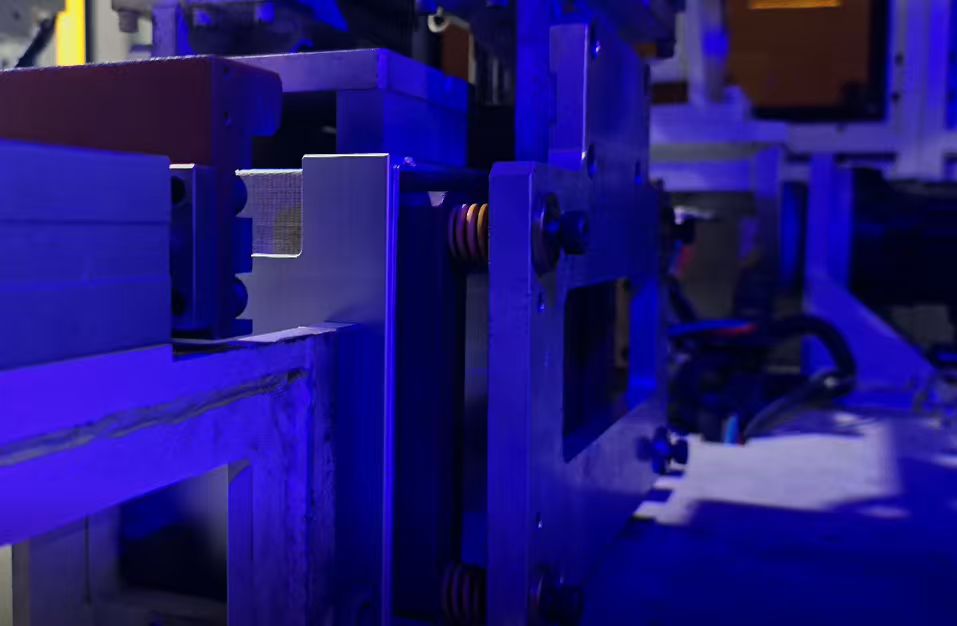
Precision compression for longer cycle life
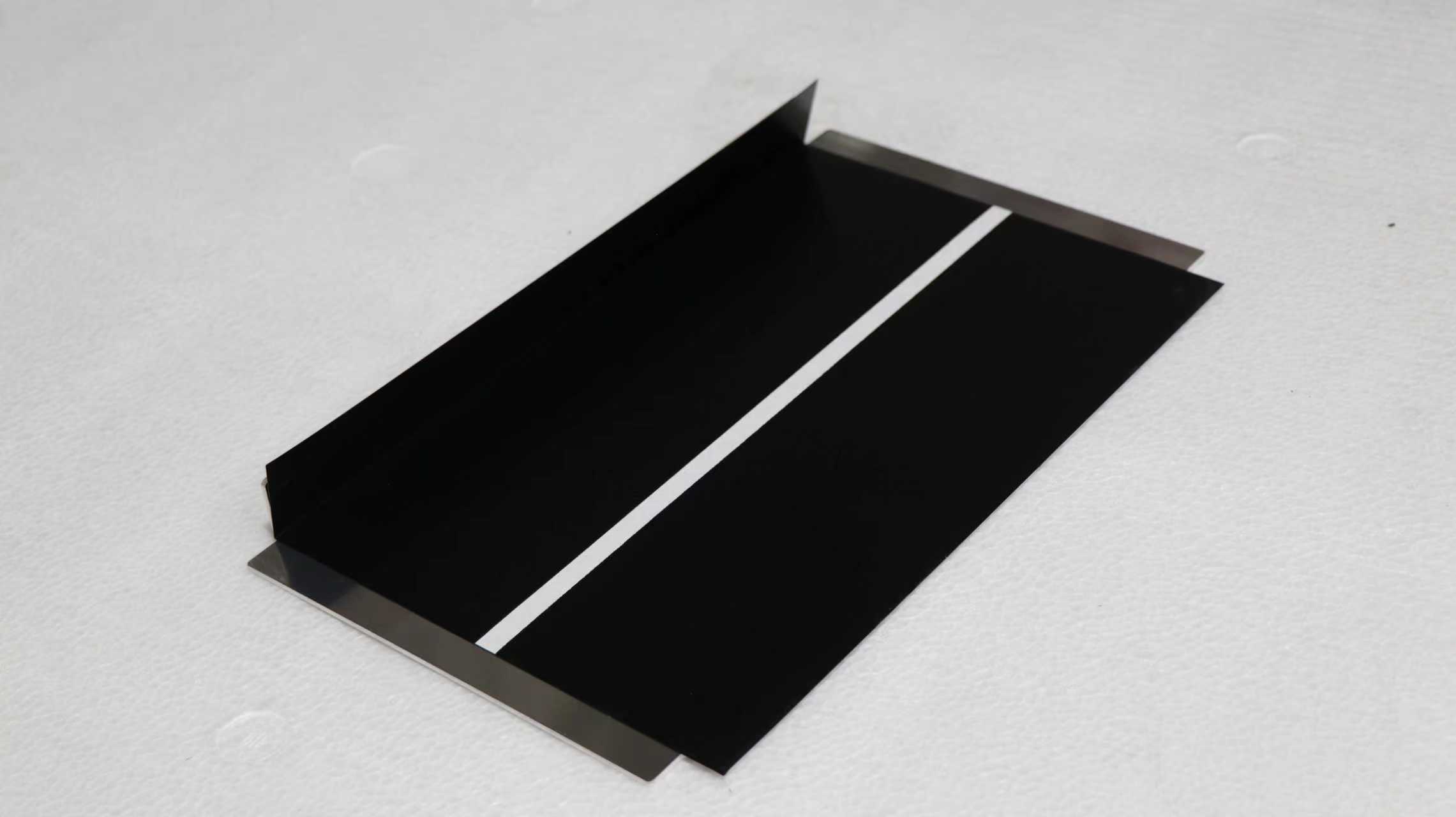
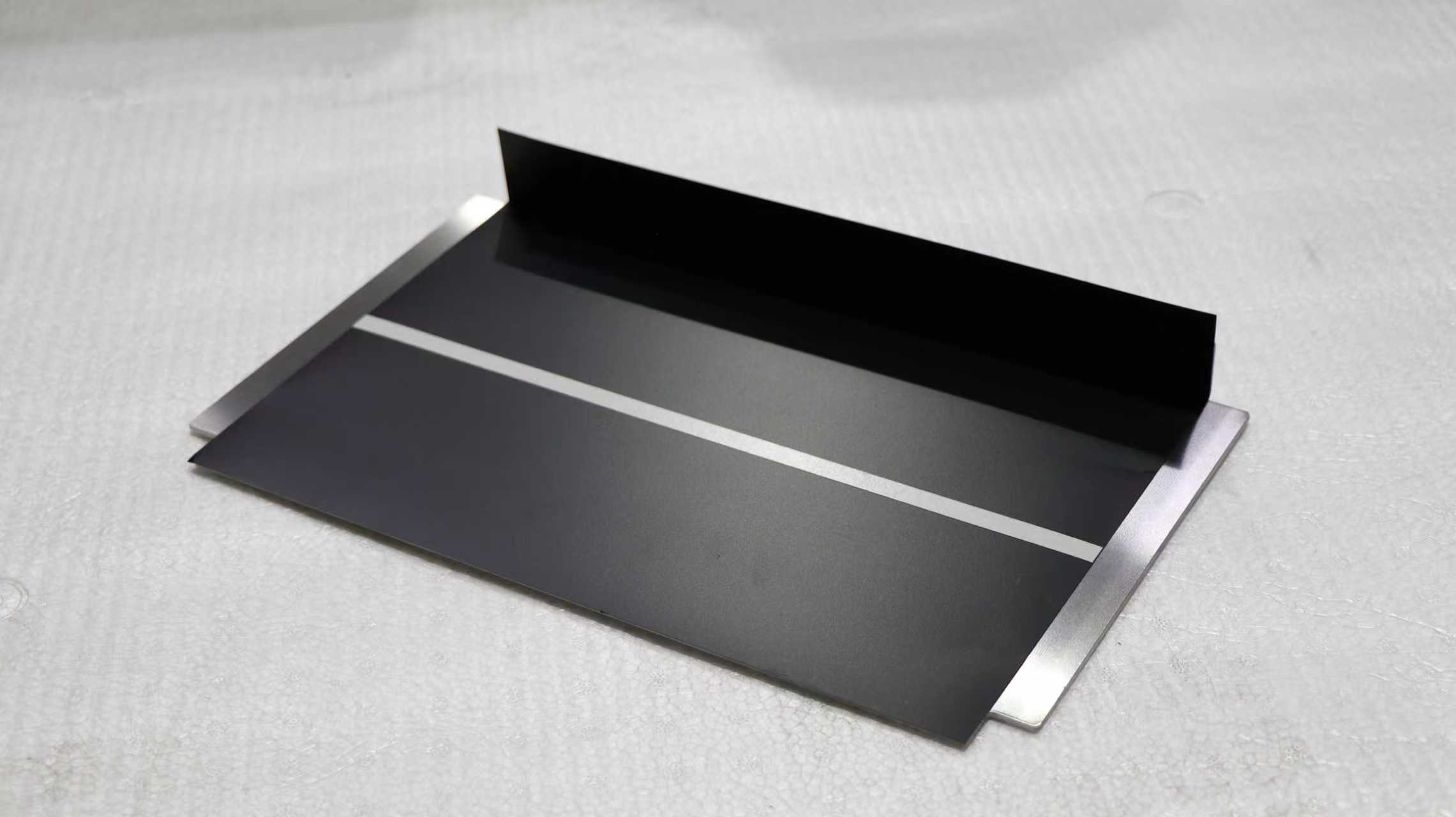
The aluminum-extrusion frame works as a full pre-tensioning system. Compared with folded sheet metal, it distributes pressure uniformly across the cells to prevent swelling, micro-gaps and long-term structural drift.
Stable compression minimizes changes in contact resistance and reduces heat during high-current operation. It also protects the cells’ internal structure against vibration and mechanical fatigue.
Across thousands of charge–discharge cycles, the frame maintains dimensional stability and busbar alignment so the module continues to operate safely, efficiently and consistently throughout its service life.
Frame geometry, preload and validation requirements are reviewed for the selected cell and equipment duty cycle.
FPC sensing.
Laser-welded current paths.
Automotive-grade FPC flexible circuits provide precise cell-level sampling. Dual-layer aluminum busbars, joined by high-precision laser welding, create extremely low-impedance paths for reliable high-current delivery and long-term structural robustness.
- Continuous high-current support: 150–300 A.
- Extremely low contact resistance for less heat and higher efficiency.
- A compact, vibration-resistant structure.
- Stable sampling paths give the BMS more accurate cell data.
Confirm the continuous-current rating, cooling conditions, cell configuration and BMS limits for the selected module. The range is not a universal rating for every configuration.
See the module in production.
Watch the video alongside the electrical architecture.
One module architecture.
A scalable system platform.
A standardized module architecture supports rapid configuration into 24V, 48V, 72V and higher-voltage systems. Unified mechanical dimensions, consistent cell layouts and standardized electrical interfaces improve R&D efficiency and shorten development cycles.
Scaling and customization become easier to plan. The same platform approach improves batch consistency, accelerates readiness for UN38.3, CE, IEC and UL requirements, and reduces long-term engineering and maintenance costs for OEMs and fleet operators.
System options for engineering review; not a wiring diagram.
System configuration, interfaces and applicable documents are confirmed project by project. Certification readiness does not mean every module is certified to every listed requirement.
Consistency at every layer.
Reliability across every batch.
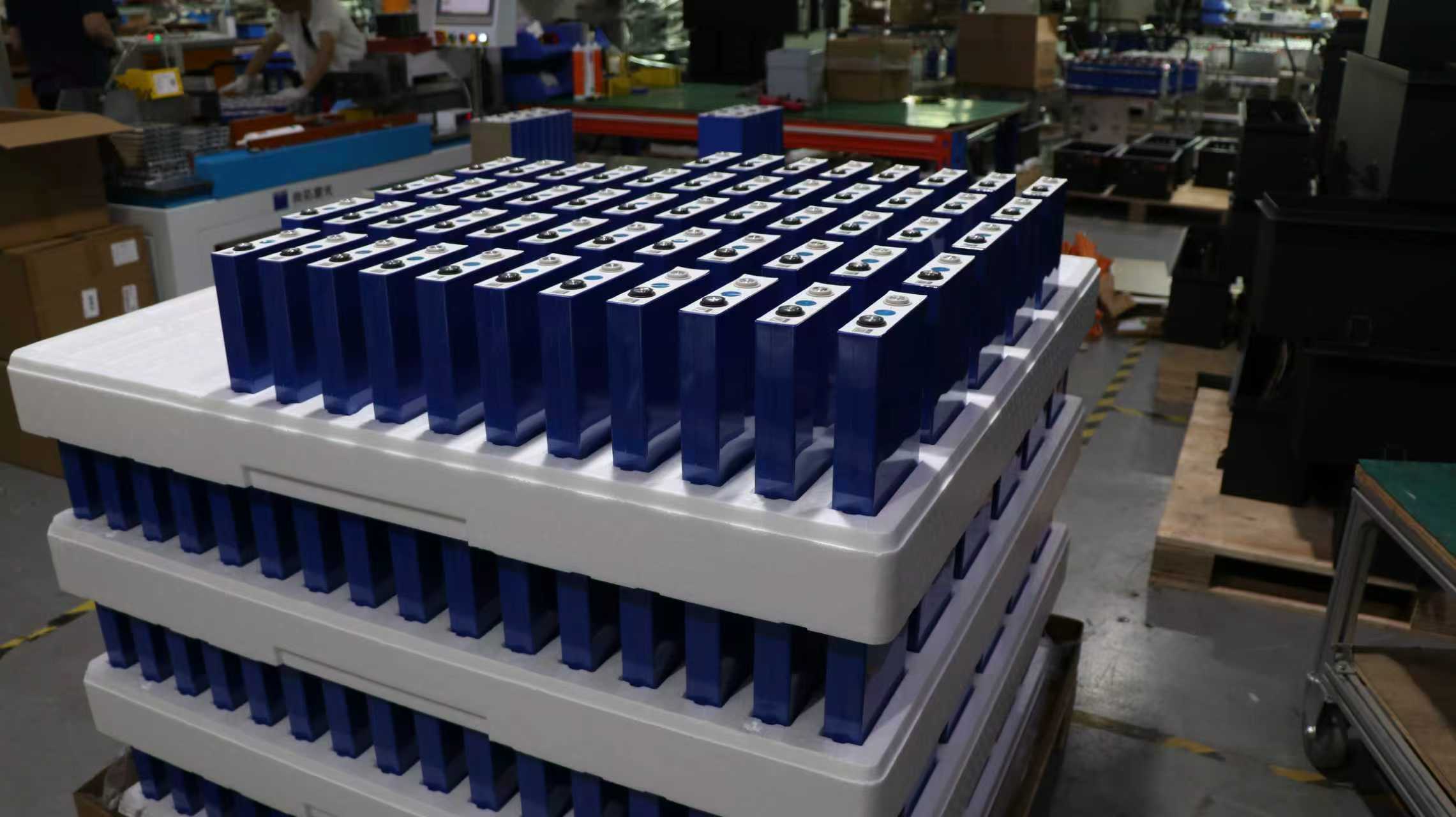
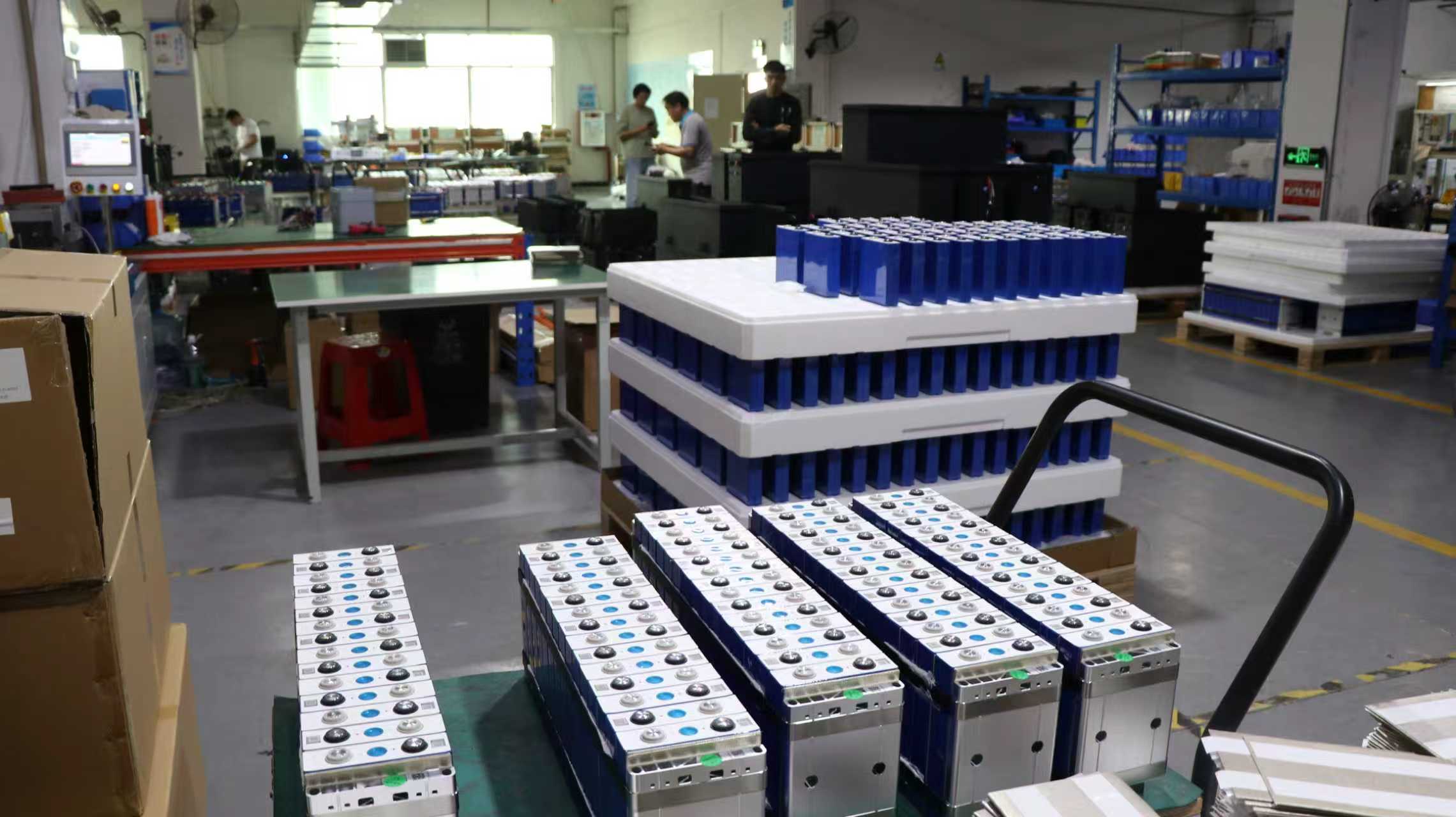
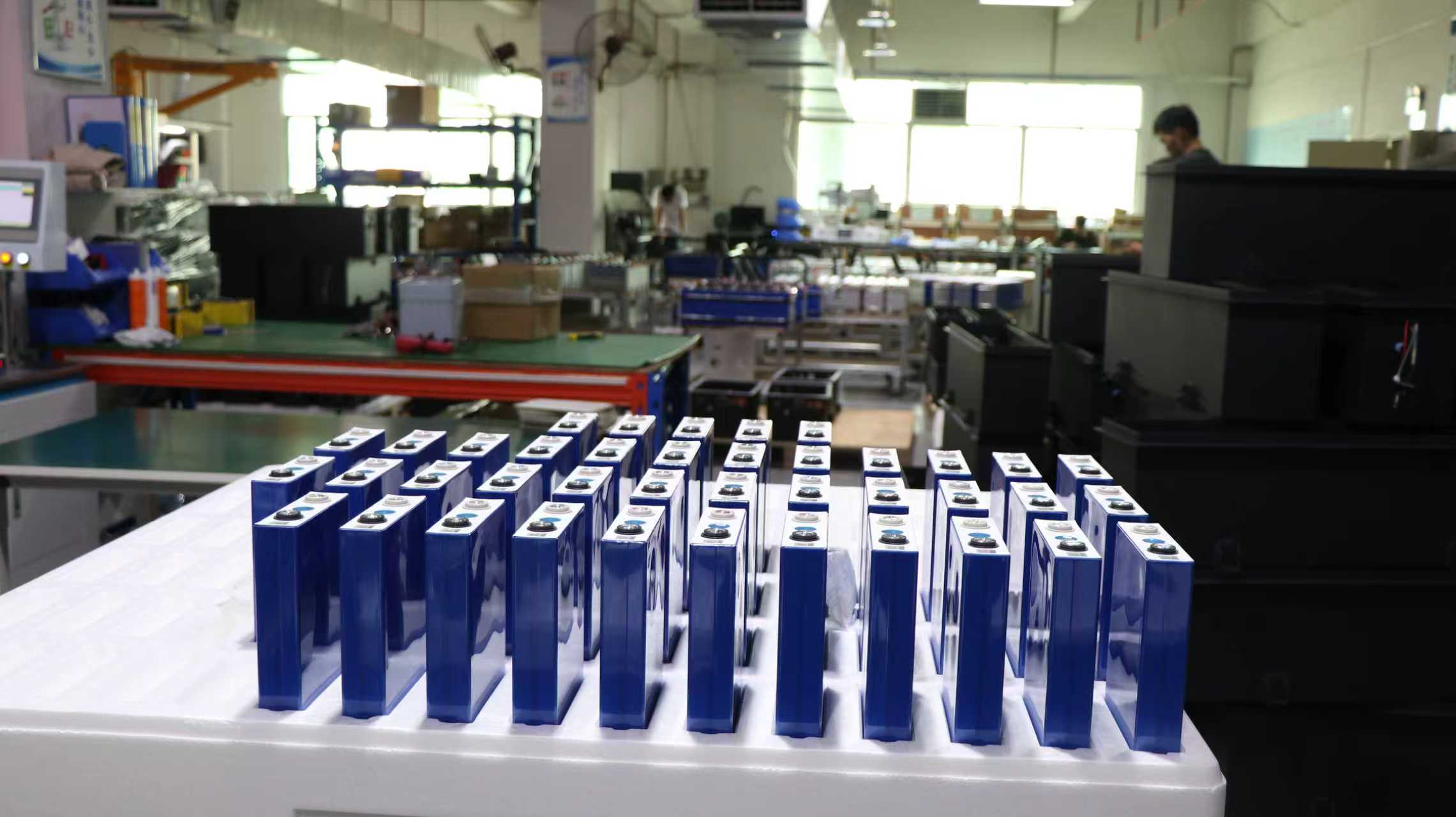
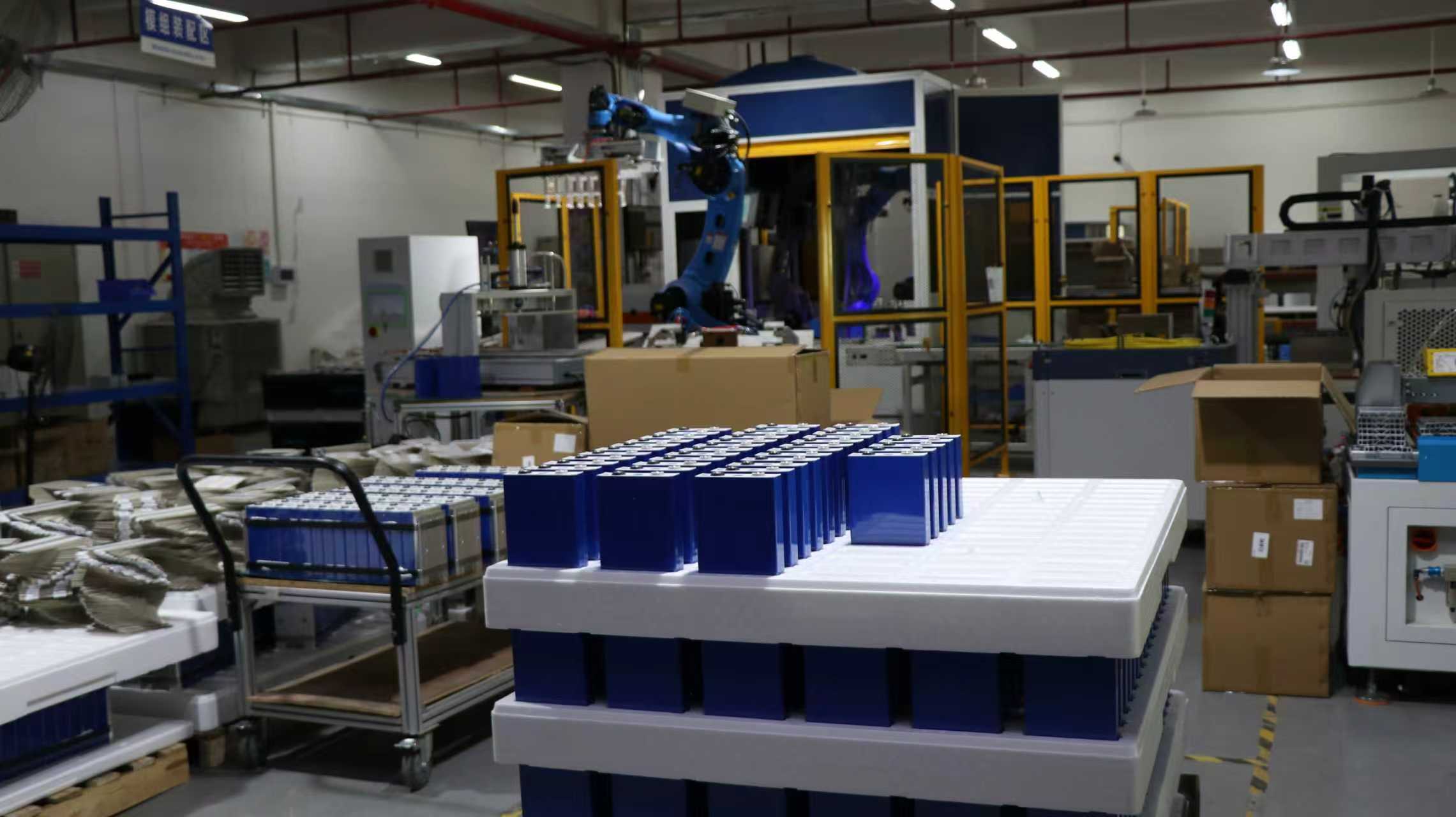
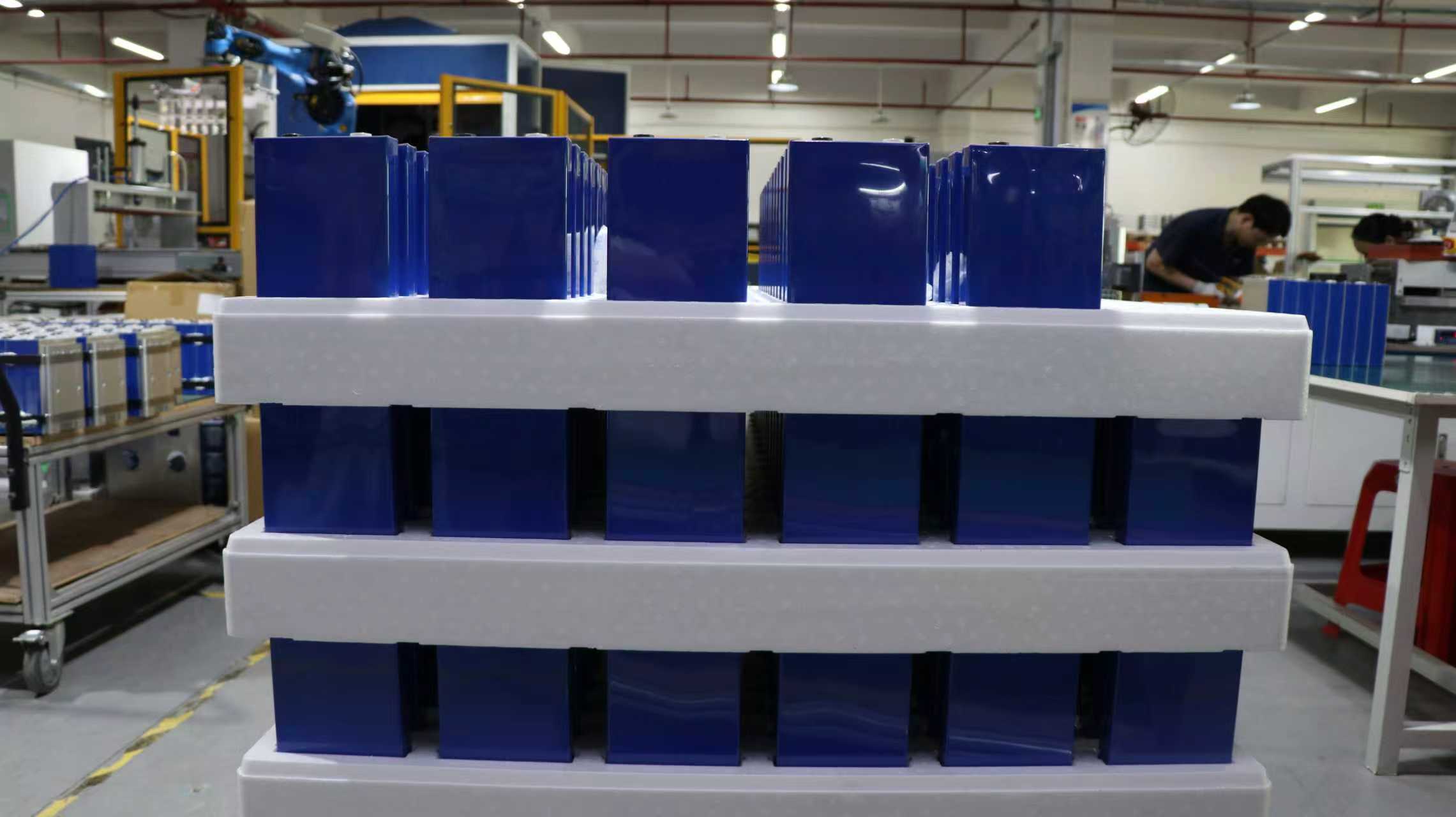
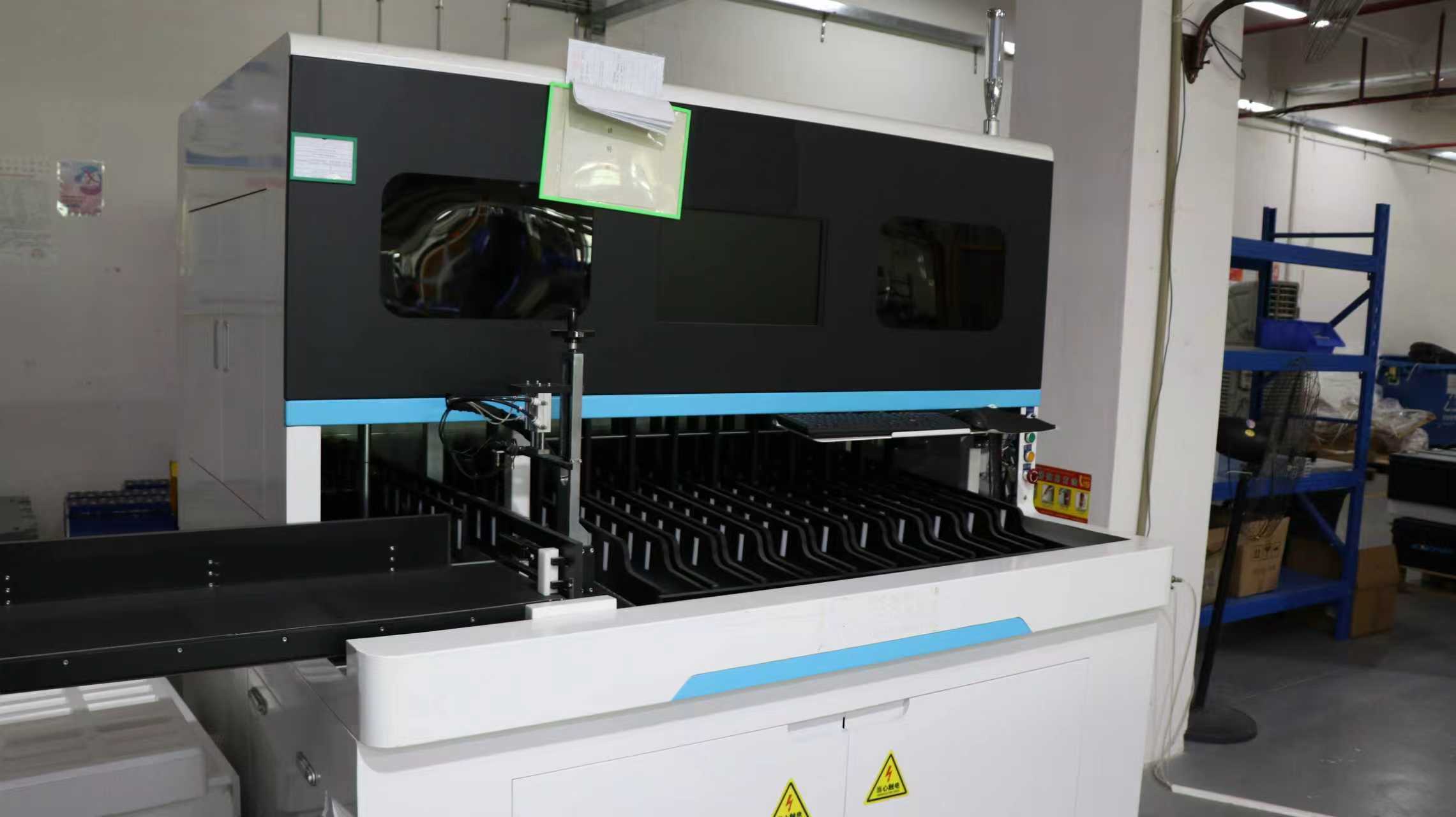
System-level consistency is the single most important factor affecting battery safety, lifespan and high-current performance. Robur builds it into the cell selection, mechanical structure, electrical connections and assembly process.
- 01
Screen the cells
Brand-new A-grade cells undergo secondary screening to match impedance, capacity and voltage.
- 02
Stabilize the structure
The aluminum compression frame prevents swelling and keeps internal resistance from drifting over time.
- 03
Control the current and sensing paths
Laser-welded busbars provide uniform, low-impedance current paths. Automotive-grade FPC sensing maintains accurate, stable cell-level monitoring without the errors common in wire-harness systems.
- 04
Repeat the assembly
A standardized mechanical layout and tightly controlled assembly tolerances ensure that every Robur module behaves consistently from batch to batch—a critical requirement for fleets and OEMs.
Built for equipment uptime.
For your equipment, that means more predictable performance, higher safety margins, slower degradation and reliable high-power output after years of cycling. For your business, it means fewer failures, less downtime, lower replacement costs and confidence that each module performs as engineered.
Explore quality control and safety testing ↗Bring your system requirements.
Let’s review the module together.
Tell us about the equipment, electrical load, available space and supply plan. We can discuss the module architecture, integration requirements and documentation relevant to your project.
Prepare a short project brief and open it in your email app. Nothing is sent from this page.